Wallet Technology Unlocks Stake-Free Table Play on Mobile Platforms
Freya Meier · Jul 21, 2026
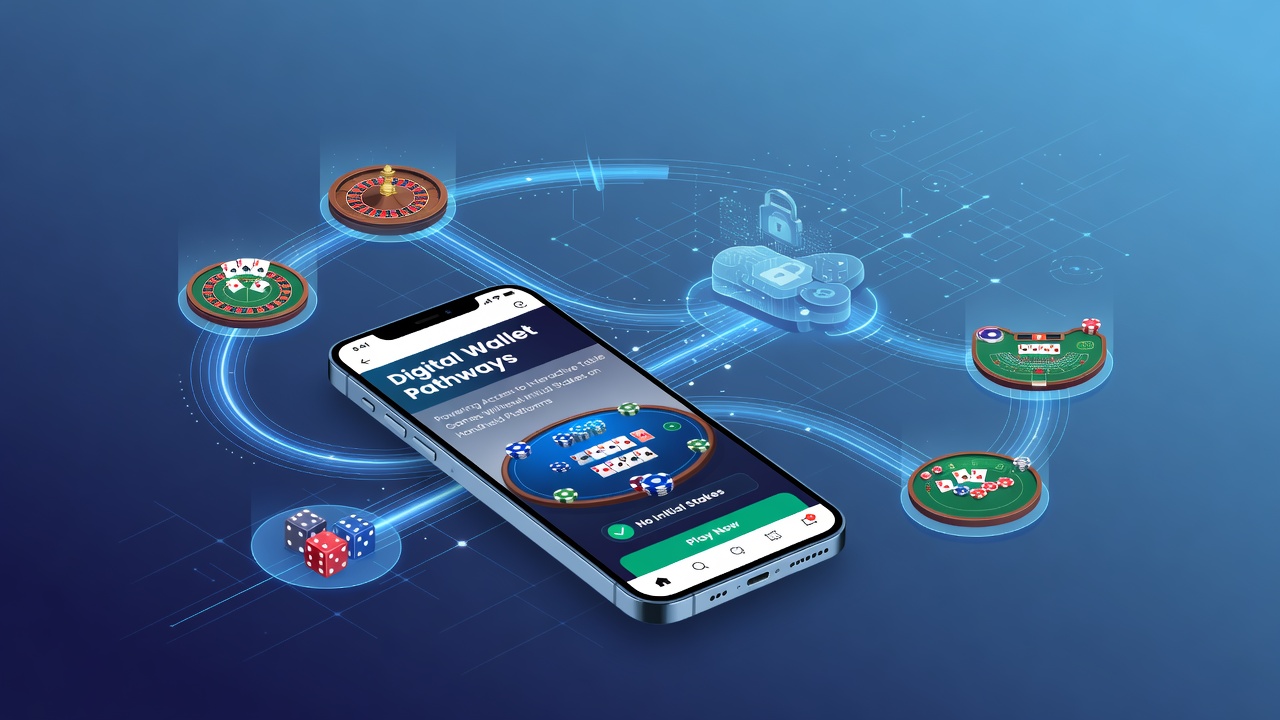
Wallet Technology Unlocks Stake-Free Table Play on Mobile Platforms
Digital wallet systems have created direct routes into interactive table games that require no initial player deposits on handheld devices, and this shift has reshaped how users reach poker, blackjack, and roulette formats without committing funds at the outset. Payment gateways embedded in smartphones handle verification steps that grant entry to practice or bonus-funded tables, while the underlying software confirms eligibility through account linkages rather than cash transfers.
Operators integrate these pathways with existing mobile operating systems so that users open an app, select a table game category, and receive immediate access once the wallet confirms identity and compliance markers. Data from platform analytics in mid-2026 showed rising session counts on devices running these integrated systems, particularly after updates rolled out in July that streamlined authentication flows across multiple wallet providers.
Mechanics Behind Wallet-Enabled Entry
Wallet pathways function through API connections that link a user's stored payment credentials to a gaming operator's backend, yet the transaction layer remains dormant until a player elects to add real stakes later. Instead the system issues temporary play credits or tournament tokens that satisfy regulatory requirements for no-deposit engagement. Developers embed these connections inside the game client so the transition from wallet verification to table seating occurs within seconds rather than minutes.
Security protocols rely on tokenization standards already present in consumer banking apps, which means device-level encryption protects credential data throughout the process. Observers note that this approach reduces friction compared with traditional registration sequences that once demanded separate funding steps before any table interaction could begin.
Platform Adoption and Regional Patterns
Handheld ecosystems in North America and parts of Europe have seen accelerated deployment of these wallet features, with several major device manufacturers updating their app store guidelines in early 2026 to accommodate gaming titles that leverage no-stake entry models. Research conducted by academic teams at institutions tracking digital payments indicates that wallet penetration rates above 70 percent in adult smartphone users correlate with higher trial rates for table game applications.
One study released by a Canadian research consortium examined usage logs from 2025 and found that wallet-verified sessions without initial stakes produced longer average dwell times on interactive tables than sessions that required deposits upfront. The findings align with parallel reports from Australian industry groups that tracked similar patterns across state-regulated mobile platforms.
Game Types and User Pathways
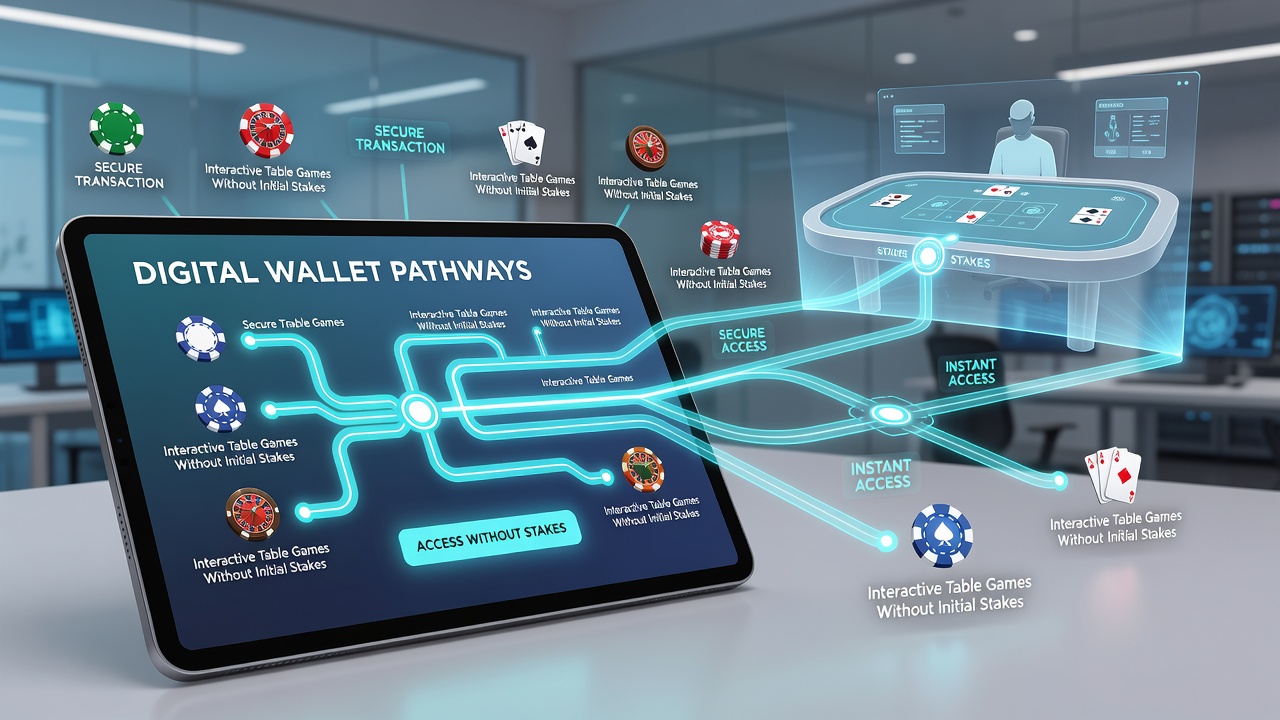
Interactive table games supported through these systems include multi-player poker variants, live dealer blackjack streams, and virtual roulette wheels that accept play credits issued after wallet authentication. Users typically encounter prompts within the app that guide them from wallet selection to table assignment without leaving the mobile interface. Developers have introduced tutorial overlays that explain credit mechanics so newcomers understand how the no-stake period functions before real-money options become available.
Case examples from operators illustrate the flow: a player opens the application, taps the wallet icon, completes a biometric check, and enters a low-stakes practice table where winnings convert to bonus funds usable later. This sequence avoids separate deposit screens and keeps engagement within the handheld environment.
Regulatory Context and Compliance Measures
Regulators outside the United Kingdom have issued guidance that permits wallet-based verification for no-deposit table access provided age and location checks remain intact. In Pennsylvania, the Gaming Control Board updated its technical standards in 2025 to recognize tokenized wallet confirmations as valid substitutes for traditional funding proofs during initial play periods. Similar adjustments appeared in Nevada documentation that clarified how operators should log wallet-verified sessions for audit purposes.
These frameworks emphasize that wallet pathways must still enforce responsible gaming tools such as session timers and reality checks, even when no real money changes hands at entry. Compliance software embedded in the mobile clients automatically applies these controls once the wallet link is established.
Future Integration Trends
Industry reports from trade associations project continued expansion of wallet-supported table game access through 2027, driven by device hardware improvements that support faster biometric reads and more secure token exchanges. Developers continue testing cross-wallet compatibility so users can choose from multiple providers without encountering compatibility barriers on the same handheld device.
Additional features under development include loyalty integrations that reward wallet-verified sessions with progression points, regardless of whether real stakes follow. Such mechanics aim to maintain engagement across both free and funded phases of table game participation.
Conclusion
Digital wallet pathways have established reliable routes for users to reach interactive table games on handheld platforms without committing initial stakes, supported by evolving technical standards and regulatory clarity in multiple jurisdictions. The combination of tokenization, biometric verification, and backend credit systems enables seamless entry that keeps activity contained within mobile environments. Continued refinement of these connections is expected to sustain growth in no-deposit table game participation while maintaining compliance requirements across regions.