Software Frameworks Driving Customized Rewards in Handheld Slot and Table Games
Freya Meier · Jun 7, 2026
Software Frameworks Driving Customized Rewards in Handheld Slot and Table Games
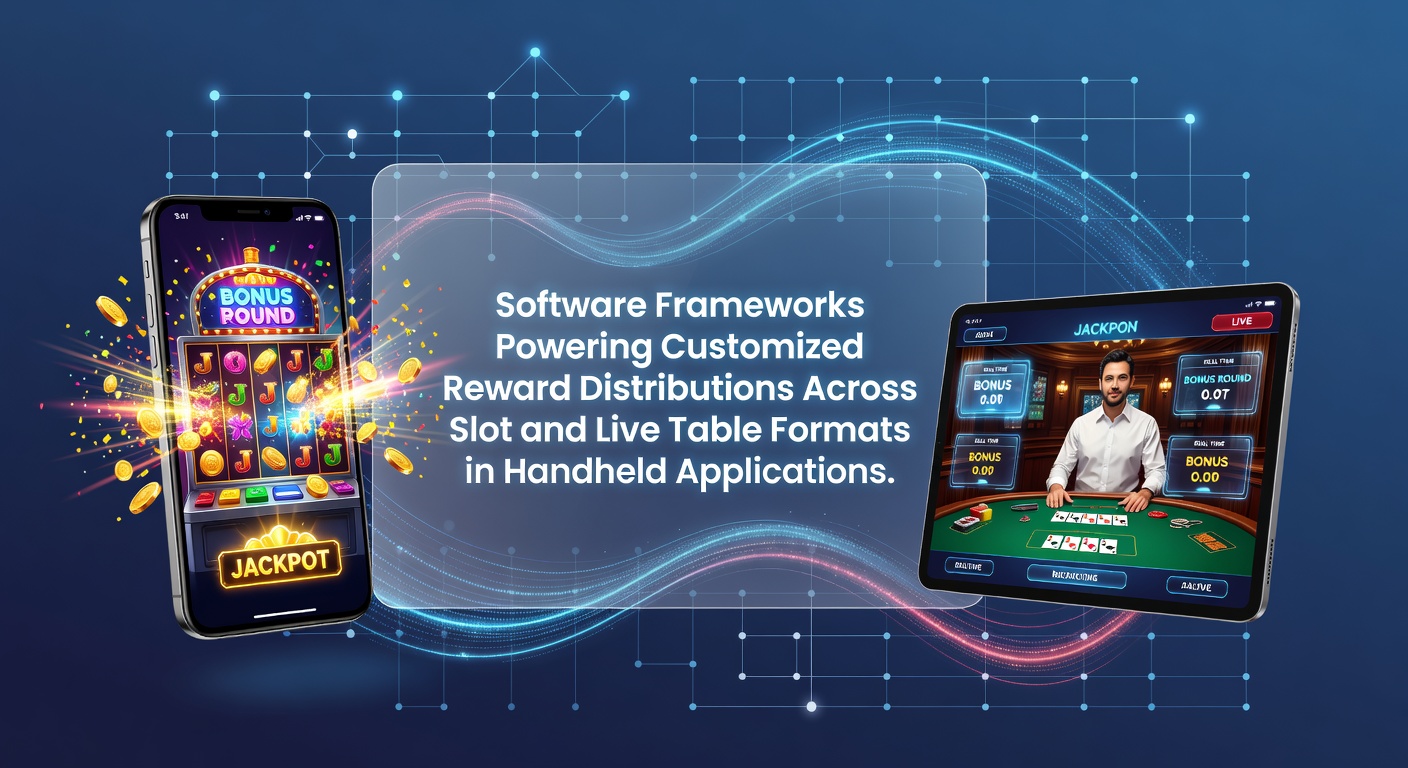
Software frameworks have become central to how developers deliver personalized reward systems across slot machines and live table games on handheld devices, and these tools handle everything from random number generation to real-time bonus allocation while maintaining compatibility with various mobile operating systems. Observers note that the rise of modular architectures allows operators to adjust payout structures, loyalty multipliers, and promotional triggers without rebuilding entire applications from scratch, which reduces development cycles and supports frequent updates to player experiences.
Core Components in Modern Gaming Frameworks
Developers rely on layered frameworks that separate game logic from reward engines, and this separation enables precise customization such as dynamic free spin allocations based on player behavior patterns or live dealer table multipliers tied to session length. Research from industry reports indicates that these systems integrate APIs for seamless data exchange between slot reels, card tables, and backend servers, while encryption protocols protect transaction details during handheld sessions. What's interesting is how cloud-based modules let studios push tailored offers to users within seconds of detecting specific play habits, creating fluid interactions that feel responsive on smaller screens.
Many frameworks incorporate event-driven architectures where triggers from game outcomes feed directly into reward distribution algorithms, and this approach supports both deterministic slot mechanics and the variable pacing found in live dealer environments. Data shows that integration with device sensors allows additional layers of customization, such as location-based bonuses or time-of-day incentives, although implementation varies by jurisdiction and platform requirements.
Adaptation Across Slot and Live Table Formats
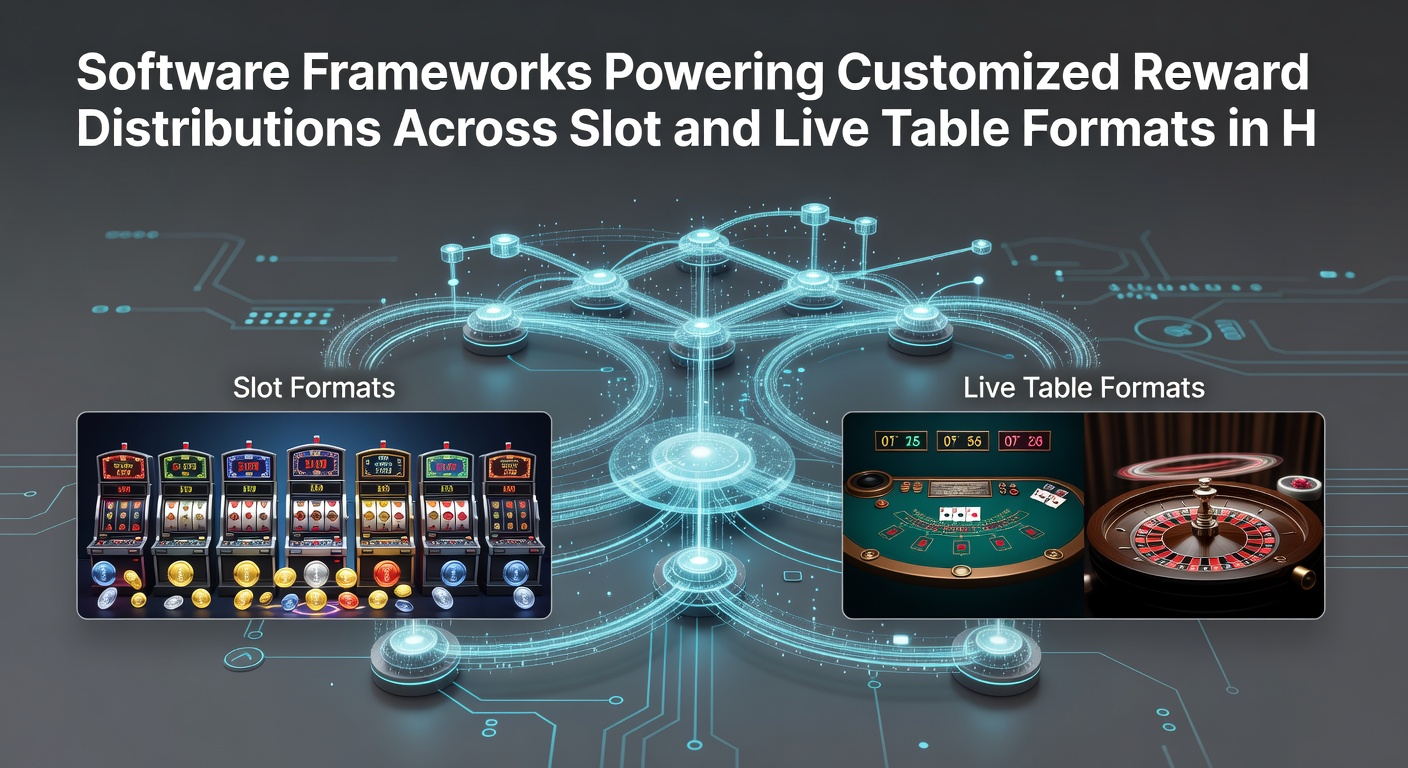
Slot-focused modules within these frameworks emphasize reel weighting and symbol probability adjustments that tie into reward pools, whereas live table components handle real-time dealer feeds alongside player-specific overlays like side bet incentives or streak-based payouts. Experts have observed that unified frameworks reduce the need for separate codebases, allowing a single application to switch between automated reels and streamed table action without losing continuity in reward tracking. In June 2026 several providers released updated toolkits that improved cross-format synchronization, enabling rewards earned on slots to influence live table buy-ins through shared loyalty ledgers.
Those who've studied handheld performance metrics point out that optimized rendering pipelines keep latency low even when complex reward calculations run in the background, and this balance proves essential for maintaining engagement during extended sessions. Frameworks often include A/B testing suites that let operators trial different distribution rules across user segments before full deployment, yielding measurable improvements in retention figures according to aggregated industry datasets.
Integration With Payment and Compliance Layers
Payment gateways connect directly to reward engines so that deposit-triggered bonuses activate instantly across both game types, and this linkage extends to withdrawal verification processes that reference accumulated rewards without interrupting gameplay flow. Industry associations such as the Gaming Laboratories International have documented testing protocols that verify framework stability under high-volume mobile traffic, ensuring reward calculations remain accurate even during peak usage periods. Another source, the Responsible Gambling Council in Canada, highlights how configurable limits within these frameworks help align with regional player protection standards while preserving customization flexibility.
Developers continue to refine machine learning components that predict optimal reward timing based on historical session data, and these predictions feed into both slot progressives and live table insurance offers. The result is a tighter coupling between game mechanics and player retention tools that operates consistently across diverse handheld hardware configurations.
Future Directions and Industry Adoption
Adoption rates have climbed as smaller studios leverage open-source extensions of established frameworks to compete with larger publishers, and this democratization has led to broader experimentation with hybrid reward models that blend slot volatility with table game strategy elements. Observers note steady progress in cross-platform compatibility, particularly as 5G networks expand and reduce the technical barriers that once limited live dealer streams on mobile devices.
Case studies from studios operating in multiple markets reveal that frameworks supporting modular reward scripting allow rapid response to seasonal promotions or regional preferences without full application redeployment. Those monitoring adoption trends expect continued emphasis on interoperability standards that will further streamline how customized distributions function across slot and live formats in handheld environments.
Conclusion
Software frameworks have established themselves as foundational infrastructure for delivering tailored rewards in mobile slot and live table applications, supporting the technical demands of customization while meeting performance expectations on handheld devices. Continued refinements in integration, testing, and predictive capabilities point toward even more responsive systems in the coming years, driven by data from global operators and validated through established industry testing bodies.