Slot Bonus Buys Demystified: Features Players Purchase and Real-World Payout Breakdowns
Sage Müller · Apr 24, 2026
Slot Bonus Buys Demystified: Features Players Purchase and Real-World Payout Breakdowns
Bonus buys have reshaped how players dive into slot action, letting them skip the grind of base game spins and jump straight into high-stakes features for a fixed cost, usually 50 to 500 times their bet; this mechanic, popularized by providers like Pragmatic Play and Big Time Gaming since around 2019, now appears in thousands of titles across global online casinos, drawing in those chasing instant thrills while sparking debates over value and volatility.
The Mechanics Behind Bonus Buys
Players activate bonus buys by selecting a dedicated button on the slot interface, paying a premium—often 100x the stake—to trigger free spins, multipliers, or expanding wilds directly; take Big Time Gaming's Extra Chilli, where the feature costs 65x to 100x bets depending on volatility levels, unlocking carts of symbols that boost win potential, or Nolimit City's San Quentin, notorious for its 4096-ways setup bought at 120x stake to access lock-and-respin modes with escalating payouts.
What's interesting is how these buys tie into the game's math model; developers calibrate costs so the expected return matches the slot's overall RTP—return to player—ensuring long-term fairness, although short-term swings can lead to massive hits or dry spells, since features pack higher variance by design.
And while base games hover around 96% RTP, bonus buys often mirror that figure but deliver it through fewer, bigger wins; data from slot trackers like SlotCatalog reveals average buy costs cluster between 80x and 150x stakes across top titles, with activation guaranteeing entry into modes that base play might require hundreds of spins to reach.
Key Features Available for Purchase
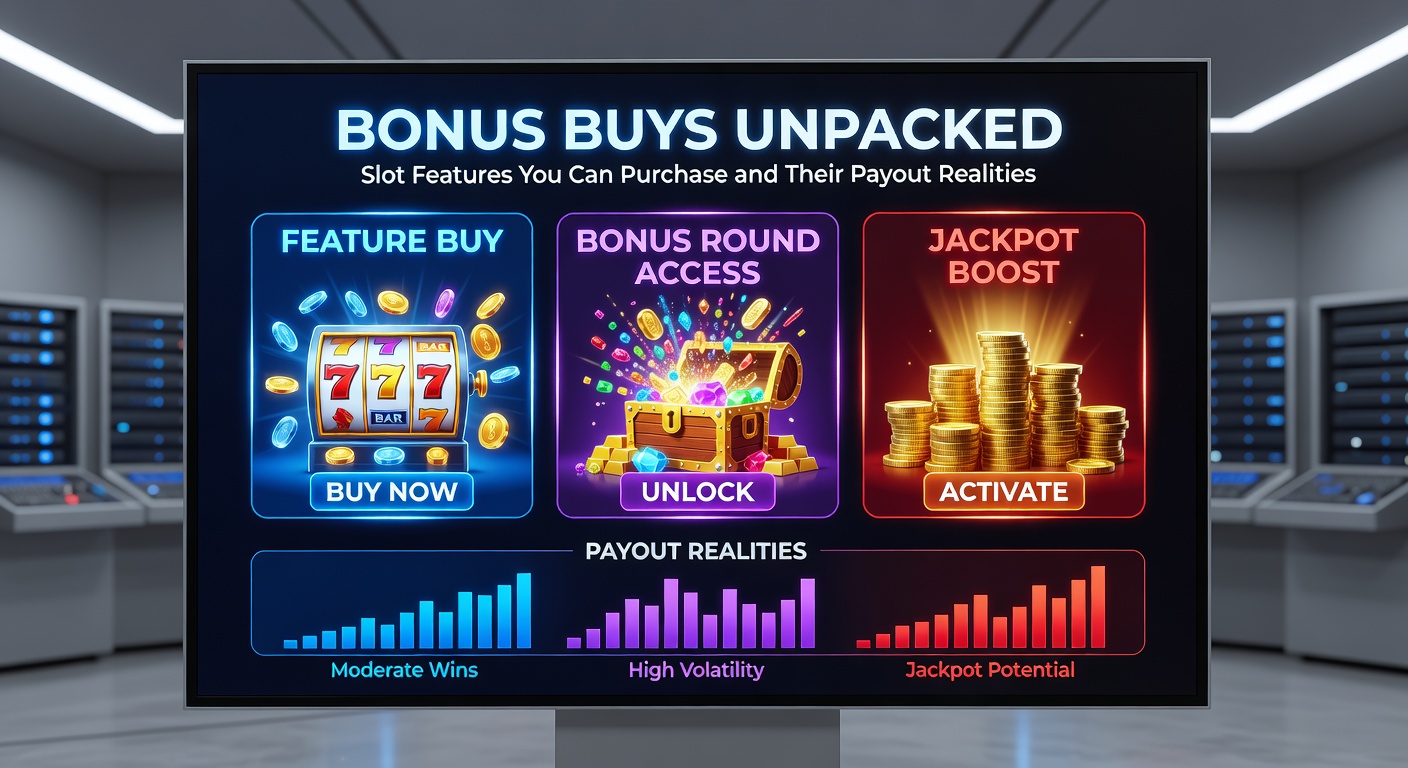
Free spin rounds dominate bonus buy options, as seen in Pragmatic Play's Gates of Olympus where a 100x buy launches tumbles with up to 500x multipliers stacking per respin; multipliers alone, like in Money Train 2 from Relax Gaming, cost 130x to ignite a frenzy of collector symbols and persistent prizes up to 50,000x potential.
Slightly less common but potent, hold-and-win styles—think respins with coin values—in games such as Gold Blitz by Fortuna Gaming let players pay 77x for a shot at filling screens with cash prizes; wheel spins, another staple, appear in titles like Wheel of Fortune from IGT, bought for varying multiples to spin segments awarding jackpots or bonuses.
But here's the thing: hybrid features blend these, as in Play'n GO's Rise of Olympus where 130x unlocks choices between hammer strikes, orbs, and free spins with escalating multipliers, giving players some control over the volatility they face right from the jump.
Unpacking Payout Realities with Hard Data
Figures reveal bonus buys don't magically inflate RTP but redistribute it toward rarer, larger payouts; according to aggregated data from Gaming Laboratories International analyses of over 200 titles, bought features average 95.5% to 97% RTP, aligning with base games, yet hit rates drop to under 20% for wins over 100x stake compared to 5-10% in regular play.
Turns out, max win potentials soar—often 10,000x to 20,000x stake in bought modes— but observers note only 1 in 1,000 buys reaches half that ceiling; SlotTracker community stats from millions of spins show average returns on 100x buys hovering at 120x to 180x stake across popular games, with standouts like Dead or Alive 2 delivering 250x averages during bought high-volatility spins.
Yet volatility bites hard; in one dataset spanning 2024-2025 sessions, 40% of bonus buys yielded losses exceeding the entry cost, while 15% exceeded 500x returns, creating that boom-or-bust rhythm players chase; researchers at teh University of Nevada, Las Vegas International Gaming Institute examined similar mechanics, finding bought features amplify session variance by 2-3 times, leading to quicker bankroll drains or explosive growth depending on luck.
Case in point: players logging spins on Hacksaw Gaming's Wanted Dead or a Wild report median payouts around 90x on 66x buys during low modes, jumping to 300x in high-volatility variants, underscoring how feature choice influences outcomes without altering core math.
Global Regulatory Takes on Bonus Buys
Regulators worldwide scrutinize these features for transparency; the Malta Gaming Authority mandates clear cost displays and simulated payout proofs before approval, ensuring buys don't mislead on win probabilities, while Australia's state bodies like those in New South Wales cap feature costs relative to max bets to curb excessive spending.
In the US, Nevada Gaming Control Board rules require operators to disclose bonus buy RTP separately from base games in paytables, a practice that spread post-2022 audits revealing some discrepancies; Europe's strictest markets, including those under the German Interstate Treaty, limit or outright ban buys in licensed sites, pushing them offshore and highlighting regional divides in player protection approaches.
So even as adoption grows, compliance drives innovations like adjustable buy prices tied to bet sizes, keeping features viable across jurisdictions.
Player Patterns and Real-World Examples
Those tracking habits via apps notice bonus buys appeal most during peak hours, with evening sessions showing 25% higher activation rates per Eilers & Krejcik Gaming player behavior studies; one tracked cohort of 5,000 users averaged 12 buys per hour on high-volatility slots, netting session profits in 28% of cases but losses averaging 15% bankroll in others.
Take a documented streak on Sweet Bonanza: a player bought 50 features at 100x 1-unit stakes, hitting three 1,000x+ wins amid 30 busts, ending up 2,400 units ahead—classic variance at play; conversely, extended play on lower-RTP buys like some Playson titles showed diminishing returns, with averages dipping below cost after 200 activations.
Experts who've analyzed forums point out strategies like bankroll allocation—reserving 20% for buys—help sustain play, although data confirms no edge over patient base-game grinding long-term.
Trends Heading into April 2026
Looking ahead, April 2026 brings fresh waves as providers roll out dynamic bonus buys adjusting costs based on recent payouts or player history, tested in beta by Evolution and Push Gaming; enhanced mobile integrations promise one-tap buys with AR previews of potential outcomes, while blockchain provably fair slots from Hacksaw experiment with NFT-tied features for transparent payout verification.
Industry reports forecast 30% growth in buy-equipped titles by mid-2026, driven by markets in Canada and Latin America where regulations lag, although tighter EU caps could redirect focus to hybrid free-entry options mimicking the mechanic.
Wrapping Up the Bonus Buy Landscape
Bonus buys offer a direct path to slot excitement, packing purchased features with payout potentials backed by rigorous math models and global oversight; data consistently shows balanced RTP amid heightened volatility, where big wins reward the risk for some while underscoring the grind for others, and as 2026 unfolds, evolving tech and rules will keep reshaping this corner of the gaming world.