Seamless Wallet Routes Powering Live Dealer Access in Portable UK Gaming Devices
Paul Bennett · Jun 30, 2026
Seamless Wallet Routes Powering Live Dealer Access in Portable UK Gaming Devices
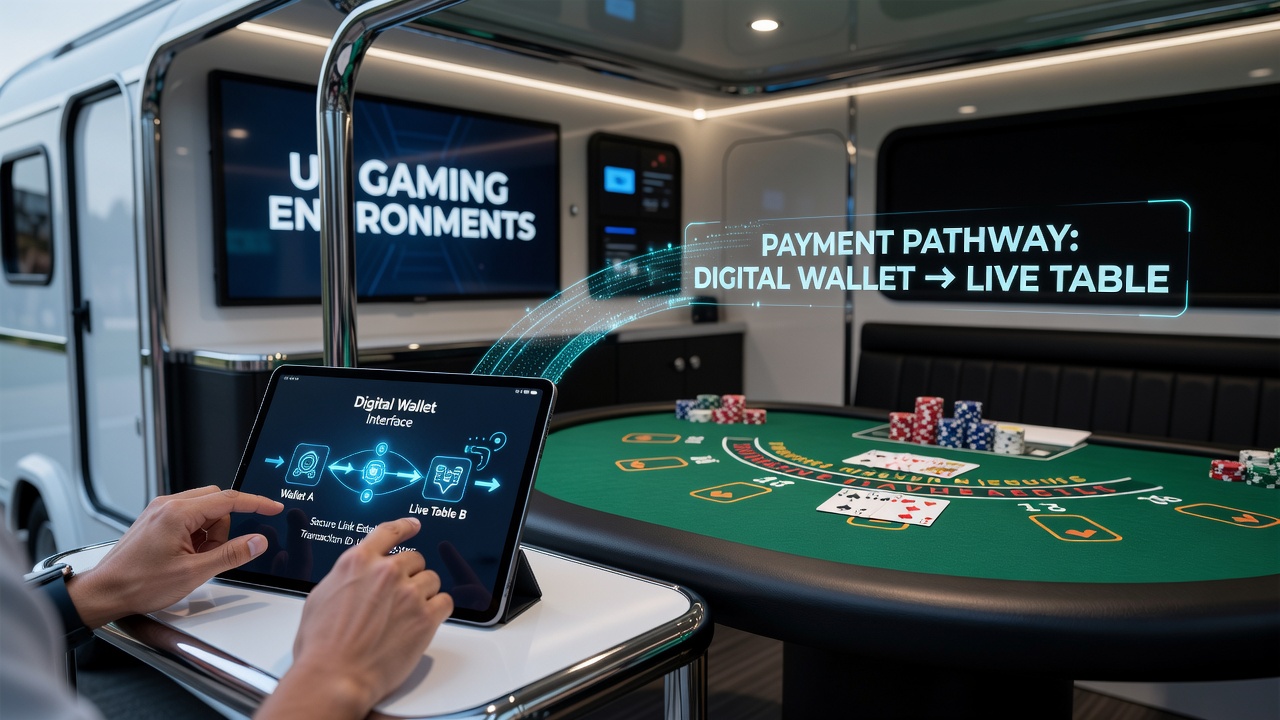
Payment pathways in portable UK gaming environments link digital wallets directly to live dealer tables through integrated mobile platforms that handle instant transfers during active sessions. These systems rely on secure APIs and token-based authentication to move funds from user accounts to gaming interfaces without interrupting play. Data from industry analyses shows that such connections support real-time betting at tables streamed to smartphones and tablets across the UK market. Observers note several core components in these pathways. Digital wallets first authenticate via encrypted channels before authorizing deposits that appear as credits at virtual live tables. Live dealer software then syncs these balances with ongoing games like blackjack and roulette. The process uses standardized protocols that allow portable devices to maintain continuous connections even as players switch between network types.Technical Architecture Behind Wallet-to-Table Links
Portable devices access live tables through dedicated apps that embed payment gateways at the session layer. These gateways process wallet-initiated commands by converting them into game-specific tokens. Research indicates that latency remains under two seconds in most setups because edge computing nodes handle verification closer to the user location.
Multiple wallet providers integrate with the same backend systems used by live casino operators. This setup permits users to select from various funding sources within a single interface. Studies from payment technology firms reveal that tokenization prevents direct exposure of wallet credentials during each transaction cycle.
Security Measures in Mobile Live Table Transactions
Encryption layers protect data as it travels from digital wallets to live dealer servers. Biometric checks on portable devices add another verification step before any fund movement occurs. Figures from cybersecurity audits demonstrate that multi-factor protocols reduce unauthorized access attempts by significant margins in gaming applications.
Transaction monitoring tools track patterns across sessions to flag irregularities. These systems operate in parallel with game software so that live tables receive only cleared funds. Industry reports highlight how such monitoring aligns with broader financial regulations without relying on a single oversight body.
Developments Expected by Mid-2026
Portable gaming environments continue to adopt enhanced wallet integrations ahead of June 2026 timelines set by various technology standards bodies. Updates include support for faster settlement methods that reduce the gap between wallet deduction and table credit display. External analyses from organizations such as the Gaming Standards Association outline how these changes improve cross-device compatibility for live dealer streams.
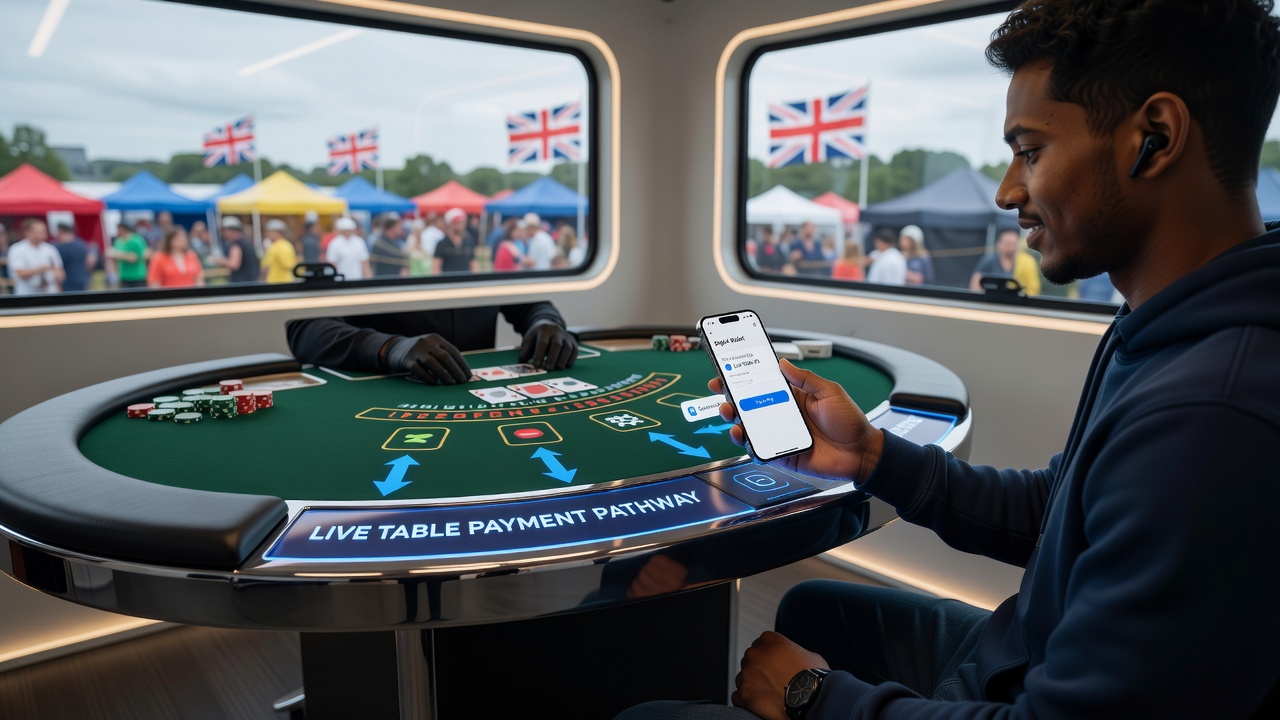
Additional advancements focus on reducing friction during high-volume table play. Wallet providers test instant refund pathways that return unused credits within the same mobile session. Data collected by research groups shows these features increase session durations when players experience fewer interruptions from funding delays.
Examples of Pathway Implementation
One documented case involves a major live dealer platform that embedded direct wallet buttons into its mobile table view. Players select a funding source and confirm via device biometrics before cards are dealt. Similar approaches appear in apps that aggregate multiple live providers under unified wallet connections.
Another implementation uses QR code scanning on portable devices to initiate wallet links at physical pop-up gaming stations. This method bridges online wallet balances with on-site live tables while maintaining the same security standards applied to fully remote sessions. Reports from payment processors confirm stable performance across varying network conditions common in UK travel scenarios.
Regulatory Context from International Perspectives
Payment pathways must accommodate rules from multiple jurisdictions because portable devices often operate across borders. Canadian regulatory frameworks through bodies like the Responsible Gambling Council provide comparative insights into wallet verification standards that influence UK mobile setups. These references help operators design systems that function consistently regardless of user location.
Observers continue to track how evolving standards affect transaction speeds and user access patterns. Portable environments benefit from these alignments because they reduce the need for separate payment flows when switching between live table types.
Conclusion
Payment pathways that connect digital wallets to live tables in portable UK gaming environments rely on layered technical and security elements that support continuous play. Implementation examples and international regulatory references demonstrate the structured approach operators take to maintain reliable fund movements. As standards advance toward June 2026, these systems show measurable improvements in speed and compatibility across mobile platforms.