RTP Unmasked: Slot Machines' Core Math, Return Probabilities, and Bonus Features' Odds Influence
Paul Bennett · Apr 14, 2026
RTP Unmasked: Slot Machines' Core Math, Return Probabilities, and Bonus Features' Odds Influence
Understanding RTP at Its Foundation
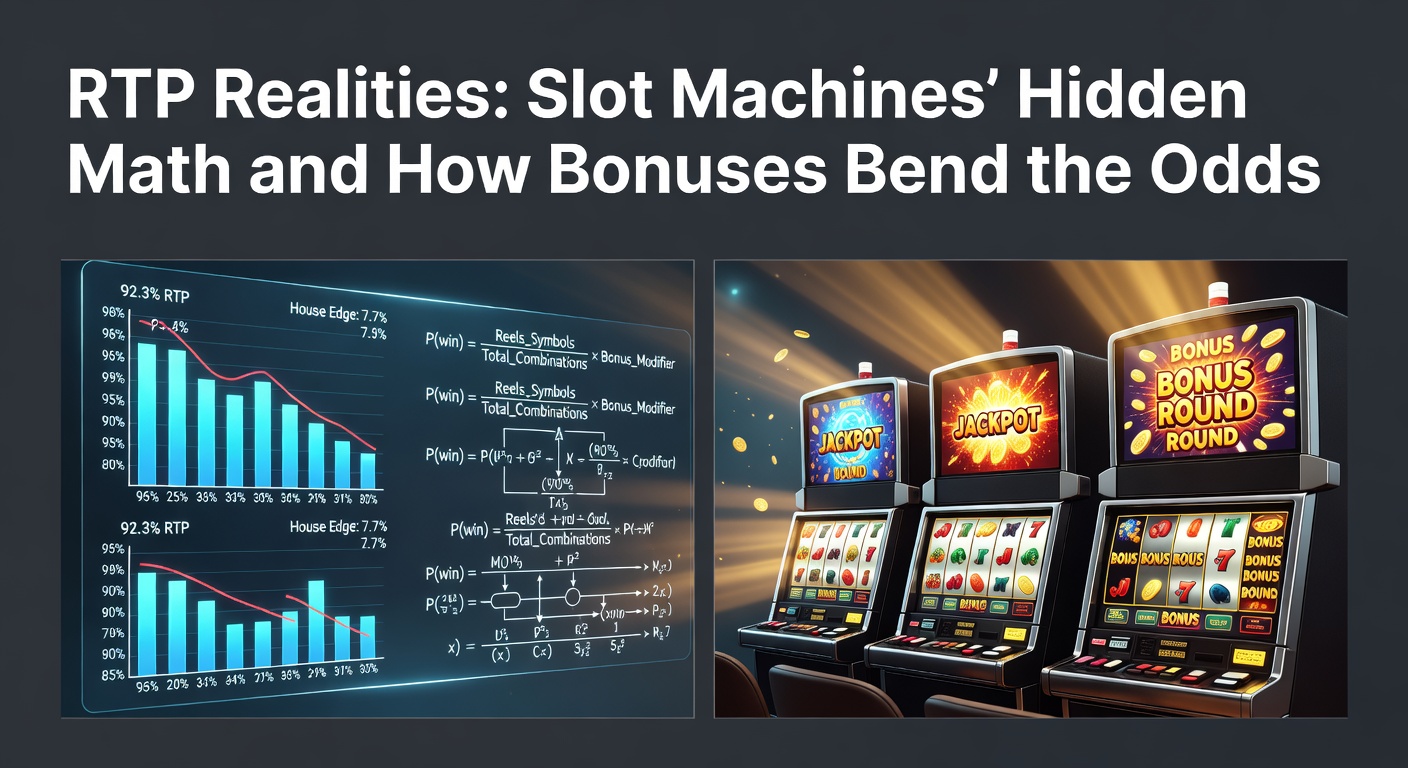
Slot machines operate on a principle called Return to Player, or RTP, which represents the percentage of wagered money a game returns to players over time; experts define it as a long-term average, often spanning millions of spins, where a 96% RTP means $96 returns for every $100 bet, although short-term results fluctuate wildly because each spin stands independent. Researchers at the Nevada Gaming Control Board confirm that regulators mandate minimum RTP thresholds in many jurisdictions, ensuring games don't dip below viable levels, yet players encounter variability since randomness governs outcomes via random number generators, or RNGs, certified by independent labs to prevent tampering.
What's interesting is how developers embed this math deep within algorithms; take a classic three-reel slot, where paylines and symbol frequencies dictate probabilities, so landing three cherries might carry 1-in-100 odds, calculated precisely through paytable designs that balance low-frequency high-payouts against frequent small wins, keeping the house edge—the inverse of RTP—at a steady clip like 4-6% across sessions.
And while casinos display RTP figures prominently in game info, observers note that understanding volatility adds crucial context; low-volatility slots deliver frequent but smaller payouts aligning closely with RTP in short bursts, whereas high-volatility ones chase massive jackpots, stretching sessions thin before hits land, a dynamic that studies from the University of Nevada's International Gaming Institute reveal influences player retention more than raw percentages alone.
The Hidden Layers of Slot Mathematics
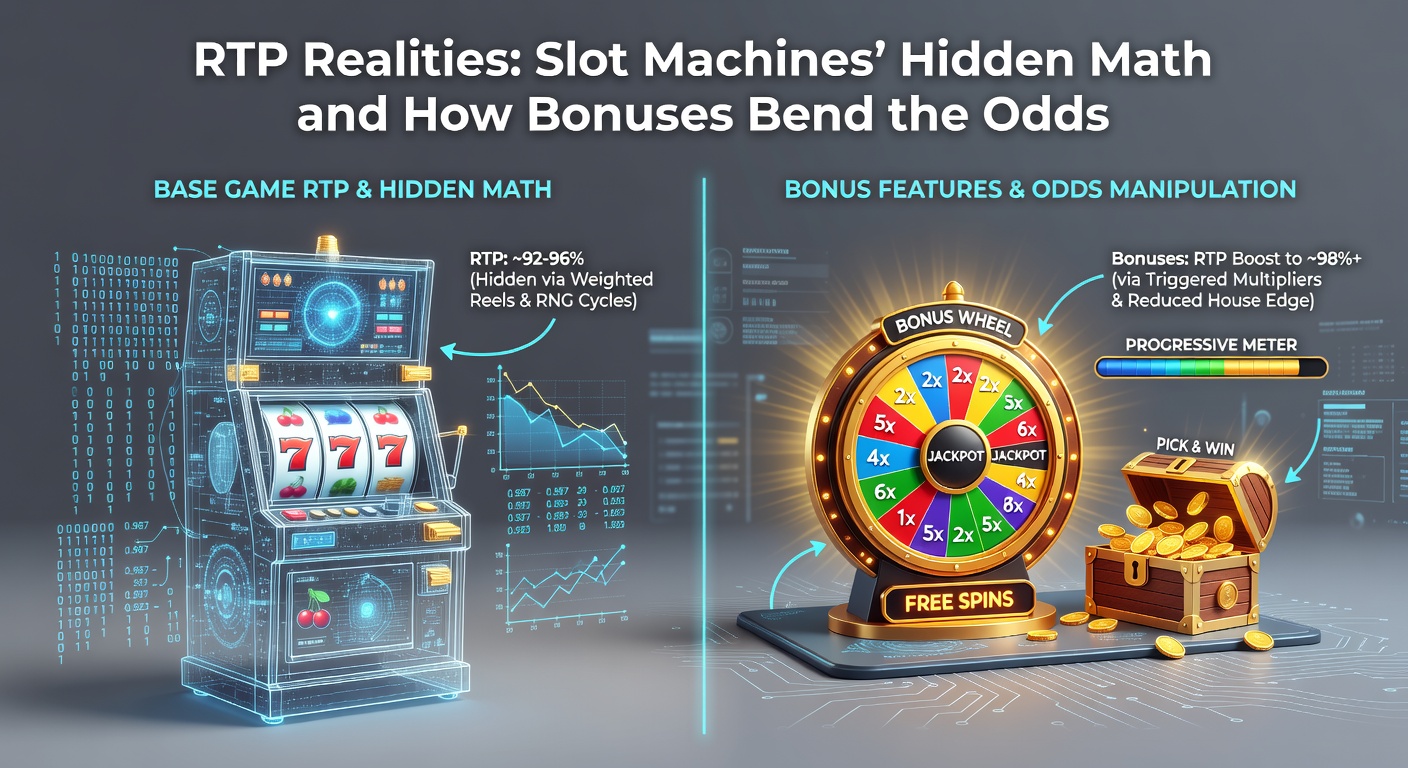
Delving deeper, slot math hinges on weighted reels, where symbols like wilds or scatters appear less often on physical stops but more on visual reels, tricking eyes into sensing fairness while probabilities skew toward the house; data indicates programmers assign virtual reel strips with hundreds of positions, mapping outcomes so RTP holds steady regardless of apparent equity. For instance, one analysis of popular video slots uncovered reel strips exceeding 5,000 stops virtually, enabling fine-tuned odds that comply with regulatory audits but obscure true hit frequencies from casual glances.
Turns out, progressive jackpots complicate this further, pooling contributions from bets to fund escalating prizes, which lowers base RTP temporarily until contributions rebuild, a mechanism Australian Gambling Research Centre reports affects overall returns, sometimes dipping effective RTP below 90% during growth phases before normalizing post-hit. People who've dissected paytables often discover clustering of dead spins—non-winning outcomes—strategically placed to maintain rhythm without alerting players to the grind.
But here's the thing: modern slots layer in multiple RTP modes, adjustable by operators within licensed ranges, say 85-98%, allowing casinos to tailor games for different markets; experts observe this flexibility emerges from jurisdiction-specific rules, where land-based machines in Nevada average 92% RTP per state filings, contrasting online variants pushing 96-98% to attract digital crowds.
How Bonus Features Reshape Probabilities
Bonus rounds emerge as game-changers, temporarily elevating payout potential while subtly bending overall RTP structures; free spins, for example, trigger on scatter landings—often 1-in-200 spins—and replay base game mechanics with enhancements like multipliers or extra wilds, boosting effective returns during activation, although trigger rarity ensures house edge persists across full cycles. Studies found that in Megaways slots, bonus buys (where players pay to enter) can yield RTPs up to 98%, but at fixed costs exceeding average session bets, creating a high-risk shortcut that regulators in places like Ontario scrutinize for fairness.
Now consider pick-and-win bonuses, where choices reveal prizes drawn from predefined pools; mathematicians model these as branching trees, with top tiers rarer than bottoms, mirroring lottery odds yet integrated seamlessly, so a 96% RTP slot might allocate 20% of returns to bonus pots, drawing players deeper as anticipation builds. It's noteworthy that cascading reels amplify this, removing winners to drop new symbols, chaining reactions that data from software providers shows extend average bonus duration by 30-50%, subtly inflating perceived value without altering core math.
Yet volatility spikes here too; wheel bonuses, spinning for cash or jackpots, carry published hit rates like 1-in-50 for minor prizes, but grand payouts lurk at 1-in-millions, a setup where one researcher's breakdown of 10,000 simulated spins revealed only 2% breached average RTP upward, underscoring long-term inevitability. Those who've reverse-engineered popular titles notice sticky wilds or expanding symbols disproportionately favor early bonus phases, tapering off to recoup edges later, a design hallmark ensuring sustainability.
Regulatory Oversight and Evolving Standards
Regulators worldwide enforce RTP transparency through rigorous testing; in New Jersey, the Division of Gaming Enforcement mandates full paytable disclosures pre-launch, verifying RNG integrity via third-party firms, while Malta's authority requires operator audits showing RTP deviations under 0.5% from certified figures over quarterly samples. This framework, bolstered by blockchain trails in emerging tech, aims to curb manipulations, although offshore markets lag, prompting player vigilance.
April 2026 brings fresh scrutiny as EU directives push for dynamic RTP displays in real-time, reflecting progressive contributions accurately; industry reports indicate this shift, already piloted in Sweden, could standardize disclosures, helping players compare apples-to-apples across providers. Meanwhile, US tribal casinos navigate compacts mandating 80-90% floors, varying by state, where data reveals higher RTPs correlate with tourist hubs like Las Vegas versus regional spots.
And as mobile slots proliferate, bonuses adapt with gamified twists—daily challenges unlocking higher RTP windows—but developers cap these at licensed maxima, preventing abuse; observers note app stores now flag non-compliant titles, accelerating compliance in a fragmented landscape.
Player Strategies Grounded in RTP Realities
Armed with this knowledge, players gravitate toward high-RTP listings, often 97%+, scouring provider stats like NetEnt's Blood Suckers at 98%, yet blending with low-house-edge tables for diversified play; case studies from high-roller forums show tracking session RTP via apps yields insights, revealing hot streaks as variance, not trends. But the reality is, chasing bonuses demands bankrolls suited to volatility, since dry spells precede multipliers, a pattern one veteran analyst quantified at 300-spin droughts in extreme cases.
Take a hypothetical 95% RTP slot with 10% bonus contribution: over 10,000 spins, expect $950 returned, but with $200 from bonuses clustered unevenly, prompting myths of "loose" machines; experts debunk this via law of large numbers, where deviations smooth out, advising fixed budgets over hunches. It's not rocket science—pair RTP hunts with demo modes to map bonus rhythms firsthand, turning hidden math into playable edges.
Conclusion
Slot RTP forms the bedrock of fair play, a mathematical constant weaving through reels, RNGs, and bonus labyrinths, where understanding probabilities empowers informed spins amid randomness; as 2026 unfolds with tighter regs and tech upgrades, data promises even clearer odds landscapes, balancing thrill with transparency for all involved. Figures consistently affirm that while houses hold edges, armed knowledge tilts perceptions favorably, keeping the game engaging across eras.