Payment Routes Determining Bonus Eligibility in Handheld Casino Applications Across Regulated Markets
Sage Müller · Jul 28, 2026
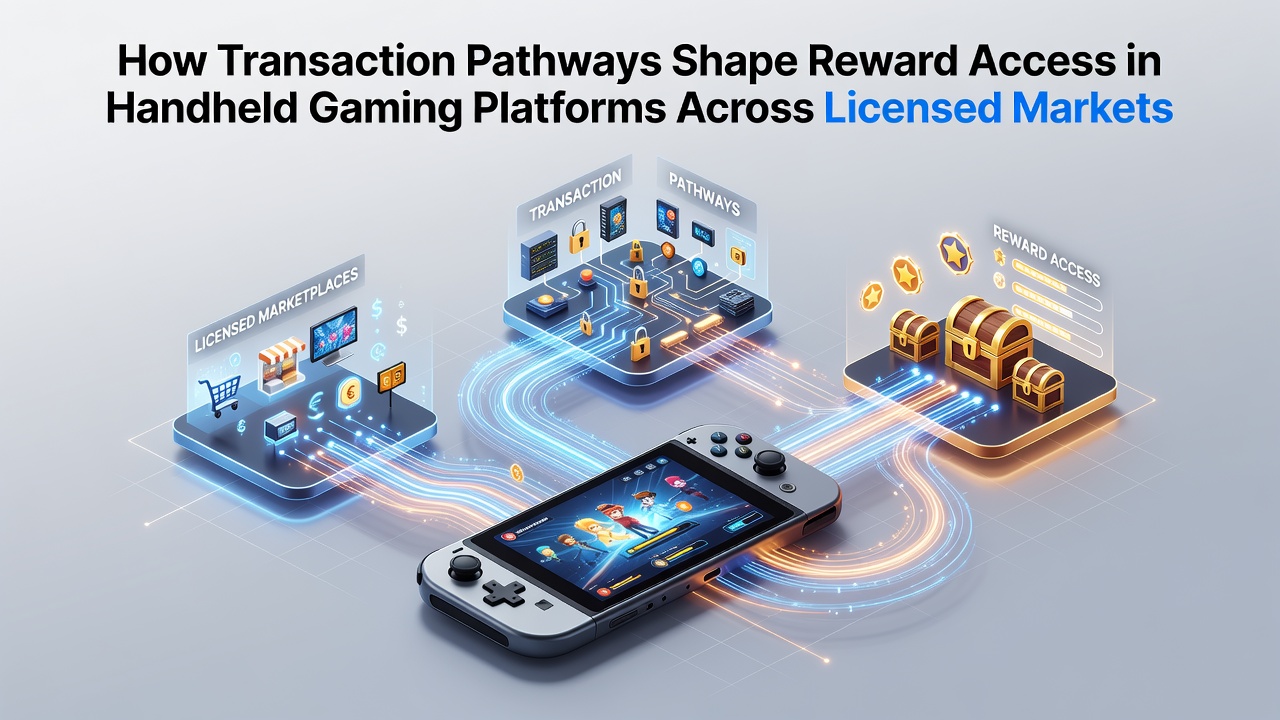
Payment Routes Determining Bonus Eligibility in Handheld Casino Applications Across Regulated Markets
Transaction pathways in handheld gaming platforms operate through layered networks that connect user devices to payment processors, regulatory databases, and reward distribution engines, and these connections directly influence which bonuses become available to players in licensed markets. Data from industry reports shows that mobile transaction volumes have grown steadily since 2023, with seamless routes enabling faster verification and broader access to promotional mechanics such as free spins or deposit matches.
Core Mechanics of Transaction Pathways
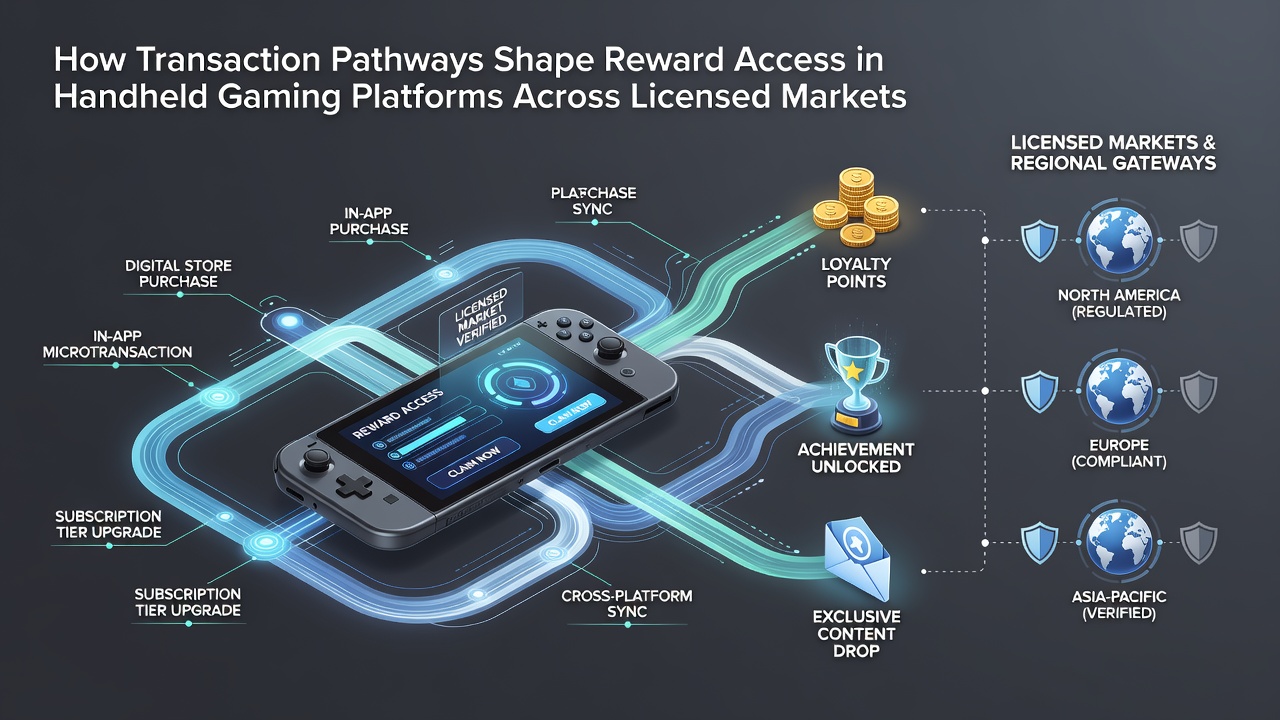
Payment gateways serve as the primary conduits, routing funds from digital wallets or bank transfers into gaming accounts while triggering compliance checks that determine reward unlock conditions. Researchers at various academic institutions have documented how API integrations between mobile operating systems and licensed operators create real-time data flows, and these flows allow platforms to match transaction speed with eligibility for time-sensitive bonuses. Observers note that shorter pathways reduce latency, which in turn permits instant crediting of rewards once regulatory thresholds are met.
Security protocols embedded in these routes further shape access, since multi-factor authentication steps can delay or accelerate reward activation depending on the jurisdiction. Figures from trade associations reveal that platforms using tokenized payment methods experience higher completion rates for bonus claims, whereas traditional card routes sometimes encounter additional verification layers that postpone access until July 2026 compliance updates take effect in select regions.
Regional Differences Across Licensed Markets
Licensed markets in North America apply distinct rules compared with European or Asian jurisdictions, and these variations alter how transaction pathways interface with reward systems. According to data compiled by the Nevada Gaming Control Board, mobile platforms operating under state licenses must route all transactions through approved processors that automatically flag qualifying deposits for promotional tiers. This setup creates predictable reward access patterns for users who select compliant pathways over less integrated options.
In contrast, Canadian provincial regulators emphasize player account linkage during the initial transaction, which researchers have found correlates with expanded bonus availability once identity confirmation completes. Australian oversight bodies similarly require transaction logging that feeds directly into central monitoring systems, and this requirement ensures rewards are released only after cross-checks confirm adherence to stake and deposit limits. Those who've studied cross-border mobile usage patterns often discover that players switching between licensed environments encounter different reward triggers tied to the specific route taken.
Impact on Reward Structures and Player Access
Reward structures in handheld platforms rely on transaction metadata to assign bonus values, and platforms prioritize pathways that deliver verifiable, low-risk deposits. Industry reports indicate that e-wallet integrations frequently unlock higher-tier rewards because they transmit additional verification data in a single step, whereas bank transfers may require supplemental documentation that delays eligibility. Experts have observed that this dynamic encourages operators to optimize certain routes for promotional campaigns while maintaining full regulatory compliance across all channels.
Case studies from software providers highlight instances where streamlined pathways increased reward redemption rates by integrating biometric confirmation directly into the payment flow. Data shows these adjustments have proven effective in markets where July 2026 policy shifts are anticipated to tighten transaction monitoring without restricting mobile access outright. Players using optimized routes therefore gain earlier entry to layered bonus systems, including progressive jackpots and loyalty multipliers that activate upon successful fund movement.
Technology and Compliance Intersections
Emerging technologies such as blockchain-based ledgers are beginning to intersect with traditional transaction pathways, and these developments allow licensed operators to maintain immutable records that support faster reward validation. Research institutions tracking mobile gaming trends report that platforms adopting hybrid verification models reduce friction points, which in turn expands the pool of accessible bonuses without compromising oversight requirements. Observers note that such integrations also help smaller operators compete by leveraging shared compliance infrastructure.
Regulatory bodies outside the UK continue to refine guidelines around transaction transparency, and these refinements affect how reward engines interpret incoming payment data. Trade group analyses suggest that markets prioritizing real-time reporting see more consistent reward distribution, while those with periodic audits allow greater flexibility in bonus timing tied to pathway efficiency.
Conclusion
Transaction pathways continue to serve as foundational elements that determine reward access across handheld gaming platforms in licensed markets, with regional rules and technological choices shaping outcomes for both operators and users. Evidence from multiple regulatory and research sources demonstrates that efficient routes support broader bonus availability while maintaining compliance standards expected to evolve further by July 2026. Those monitoring these systems recognize that ongoing refinements in payment technology will likely sustain the connection between transaction mechanics and reward eligibility in the years ahead.