Integrating Payment Mechanisms with Dynamic Table Interfaces in Mobile Gaming Platforms
Parker Weber · Jun 9, 2026

Integrating Payment Mechanisms with Dynamic Table Interfaces in Mobile Gaming Platforms
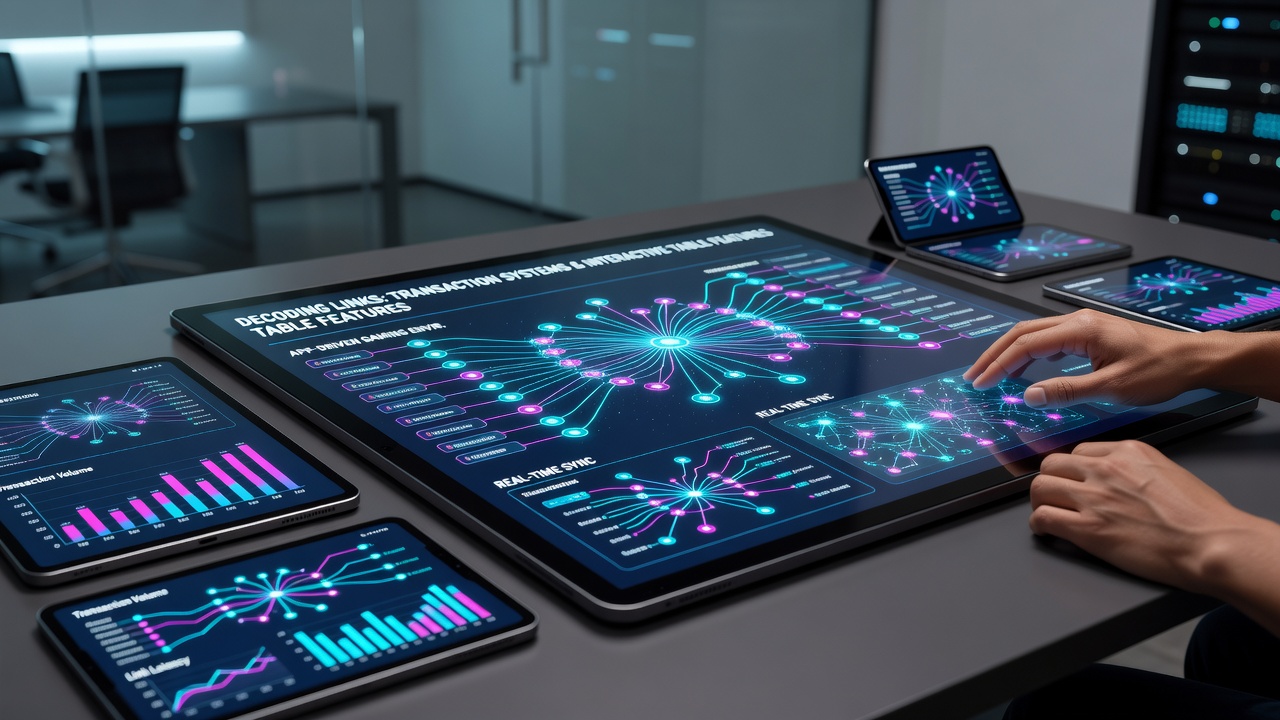
Transaction systems in app-driven gaming environments link directly to interactive table features through secure APIs that process deposits, withdrawals, and in-game bets while maintaining synchronization across multiple users. Data from industry reports shows these integrations rely on standardized protocols that allow real-time balance updates during table sessions such as poker, blackjack, and roulette variants. Observers note that payment gateways handle encryption and compliance checks simultaneously with table software rendering player actions and dealer responses.
Core Components of Transaction Systems
Modern gaming apps employ layered payment architectures that include tokenization services, multi-currency support, and instant verification modules. Researchers at institutions studying digital finance have documented how these layers reduce latency between a player's wager placement and table state changes. Systems often incorporate blockchain elements for audit trails although traditional banking rails remain dominant in many jurisdictions. According to figures from the American Gaming Association, transaction volumes in mobile gaming segments grew steadily through 2025 with particular emphasis on seamless funding during live table interactions.
Interactive Table Features and Their Requirements
Interactive tables in mobile environments deliver real-time multiplayer experiences through WebSocket connections that push updates to all participants without page reloads. Features include customizable avatars, side bets, and chat functions that operate alongside core gameplay mechanics. Those who've examined platform architectures find that table engines must query transaction ledgers continuously to enforce betting limits and prevent overdrafts. Software providers build these tables with modular components that accept external payment signals as inputs for actions like raising stakes or claiming bonuses tied to table performance.
Linkages Between Payments and Table Dynamics
Payment integrations enable features such as instant top-ups during hands or rounds which keep players engaged without exiting the table interface. Studies indicate that apps using unified ledgers between transaction processors and game servers achieve lower drop-off rates during high-stakes sessions. One study revealed that synchronization occurs via event-driven triggers where a successful deposit immediately reflects in the table's available credit pool. What's significant is how these connections support progressive jackpot mechanics on tables by pooling contributions across distributed payment channels. Developers implement state machines that pause table progression until payment confirmation arrives ensuring no desynchronization occurs among participants.
Security protocols form another critical bridge because transaction systems must validate user identities in parallel with table authentication processes. Data indicates multi-factor authentication flows integrate with biometric table logins to maintain session continuity. In June 2026 several platforms plan expanded use of contactless verification methods drawn from evolving standards in digital identity management. Experts have observed that such alignments reduce friction for users switching between deposit screens and active table play.
Technological Standards and Implementation Patterns
Industry organizations promote open standards for payment-table interoperability including those developed through collaborative efforts among software vendors. These standards cover message formats for bet placement, result reporting, and fund settlement. Australian research groups have published findings on latency optimization techniques that combine edge computing with payment caching to support regions with variable network conditions. Platforms apply these patterns to ensure table features respond instantly even when underlying transaction volumes spike during promotional events.
Examples from Global Deployments
Take one deployment in North American markets where operators linked e-wallet systems to video poker tables resulting in measurable increases in session duration according to internal metrics shared with regulators. Canadian provincial frameworks require detailed logging of transaction-table interactions which has driven adoption of unified dashboards for compliance monitoring. In European contexts similar linkages appear in live dealer apps where payment confirmations trigger camera angle changes or bonus reveals on the table view. Researchers discovered through comparative analysis that regions with mature open-banking rules experience faster integration cycles between financial institutions and gaming apps.
Emerging Developments Through 2026
Projections from multiple sources point toward greater incorporation of AI-driven fraud detection that operates across both transaction streams and table behavior patterns. This allows systems to flag anomalies such as unusual betting sequences funded by rapid deposits. Observers note continued experimentation with decentralized identifiers that could further streamline cross-border payment acceptance for table games. Data shows early pilots in select markets already demonstrate reduced verification times without compromising regulatory oversight.
Conclusion
The connections between transaction systems and interactive table features rest on tightly coupled software layers that prioritize speed, security, and regulatory alignment. Evidence from ongoing deployments illustrates how these elements combine to support fluid user experiences across app platforms. Continued refinement of integration standards will shape how future gaming environments manage the interplay between financial operations and table-based gameplay mechanics.