E-Wallet Integration Accelerating Live Dealer Dynamics in Mobile Slot Environments
Sage Müller · Jul 10, 2026
E-Wallet Integration Accelerating Live Dealer Dynamics in Mobile Slot Environments
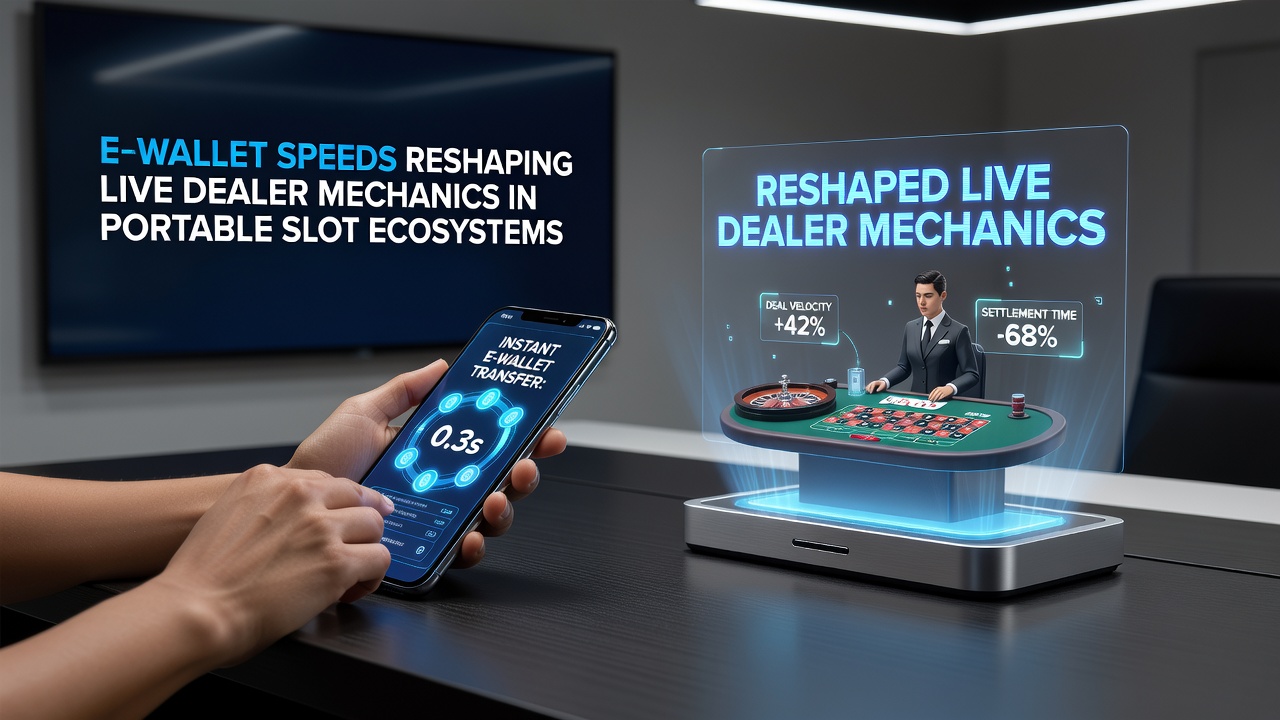
Transaction processing speeds through electronic wallets have begun influencing how live dealer elements integrate with mobile slot platforms, with systems now handling fund movements in fractions of a second rather than the multi-second delays common in earlier setups. Observers note that this shift allows game mechanics to respond immediately to player actions during hybrid sessions where automated reels interact with real-time dealer feeds. Data from payment analytics firms shows average authorization times dropping below 1.5 seconds in optimized networks during 2025, which operators have used to adjust timing windows for bonus triggers and side bets in portable environments.
Payment Infrastructure Changes Supporting Hybrid Game Flows
Providers have incorporated application programming interfaces from e-wallet services directly into slot engines, enabling live dealer tables to pull balance updates without interrupting video streams or reel spins. Researchers at institutions tracking digital finance patterns documented that these connections reduce latency between a player's deposit confirmation and the start of a dealer-hosted round by up to 70 percent compared with card-based alternatives. In portable ecosystems, where device resources remain limited, this efficiency frees processing power for rendering multiple camera angles of the dealer while maintaining slot animations at consistent frame rates.
July 2026 brought further refinements when several platforms rolled out wallet-linked authentication layers that sync with biometric checks on mobile hardware. Those implementations permit players to enter live dealer segments without separate login sequences, since the wallet already verifies identity during the initial session load. Figures from technology adoption studies reveal that session continuity rates increased notably after these updates, particularly on networks operating under 5G conditions across North American and European markets.
Mechanics Adjustments in Live Dealer Slot Combinations
Live dealer mechanics within slot titles now incorporate dynamic stake adjustments tied to real-time wallet balances, allowing the dealer to confirm or modify wager parameters mid-round without pausing the overall flow. Software engineers achieved this by embedding conditional scripts that query e-wallet APIs during specific animation cycles, such as when reels enter a bonus phase. Industry reports indicate that this capability has expanded the range of multi-player interactions possible on a single mobile screen, where participants can place incremental bets while observing dealer card reveals or wheel spins.
One documented case involved a platform that linked wallet speed metrics to progressive jackpot eligibility windows. Faster confirmations extended the time players could join escalating pools before the next dealer spin locked in contributions. According to data compiled by the Nevada Gaming Control Board on emerging payment integrations, such features contributed to measurable rises in concurrent user participation during peak evening hours.
Portable Ecosystem Adaptations Across Regions
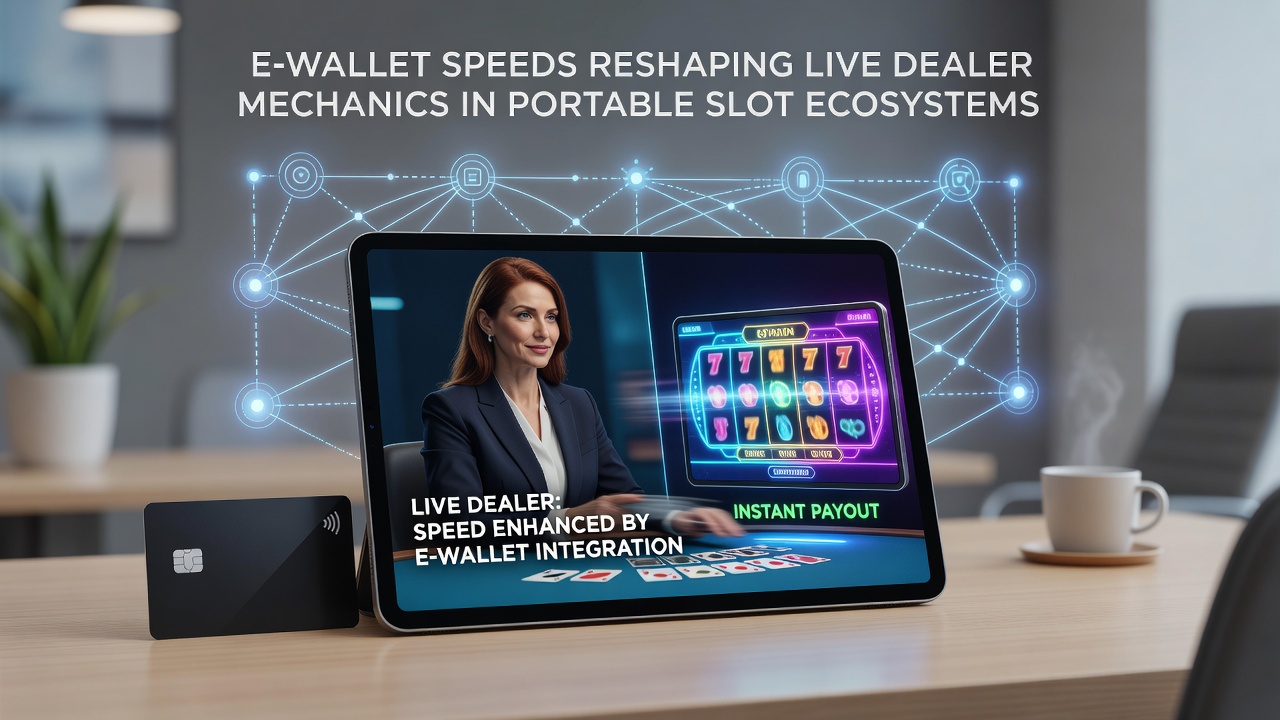
Mobile slot ecosystems have adapted by prioritizing lightweight data packets for e-wallet calls, which prevents interference with the video compression used for dealer streams. Developers achieved this through edge computing nodes that handle verification locally before syncing with central servers. Australian regulatory filings from the past year highlight how similar optimizations supported compliance with transaction monitoring requirements while keeping gameplay responsive on varied handset models.
Those who have examined cross-platform performance metrics point to consistent improvements in regions with widespread digital wallet usage, including parts of Southeast Asia and the European Union. A 2025 study released by the University of Las Vegas gaming research division tracked how reduced payment friction correlated with longer average session durations in titles blending live elements and traditional reel mechanics. The findings showed no direct causation but noted parallel growth in both metrics across sampled operators.
Regulatory and Technical Considerations in Current Deployments
Authorities in multiple jurisdictions have begun reviewing how instantaneous wallet transfers intersect with responsible gaming tools embedded in live dealer modules. These tools now trigger spending alerts within the same second that a transaction clears, rather than after a batch update cycle. The Canadian Gaming Association published guidance in early 2026 outlining best practices for integrating such alerts without disrupting dealer pacing or mobile interface fluidity.
Technical standards organizations have updated protocols to include timestamp verification for every wallet-initiated action during live rounds. This step ensures audit trails remain synchronized even when players switch between portrait and landscape orientations on their devices. Observers tracking these standards note that the changes support broader interoperability between different e-wallet providers and slot software suites.
Conclusion
Electronic wallet processing speeds continue to influence the structure of live dealer interactions within mobile slot systems through faster balance checks, seamless authentication, and responsive wager handling. Industry measurements from 2025 into July 2026 demonstrate measurable reductions in transaction delays that operators have applied to refine game timing and multi-participant features. Continued alignment between payment networks and gaming software standards will likely shape further refinements in portable environments where both dealer video and reel mechanics operate simultaneously.