Charting Encryption Protocols That Streamline Bonus Claims Across Multi-Provider Gaming Networks
Parker Weber · Aug 11, 2026
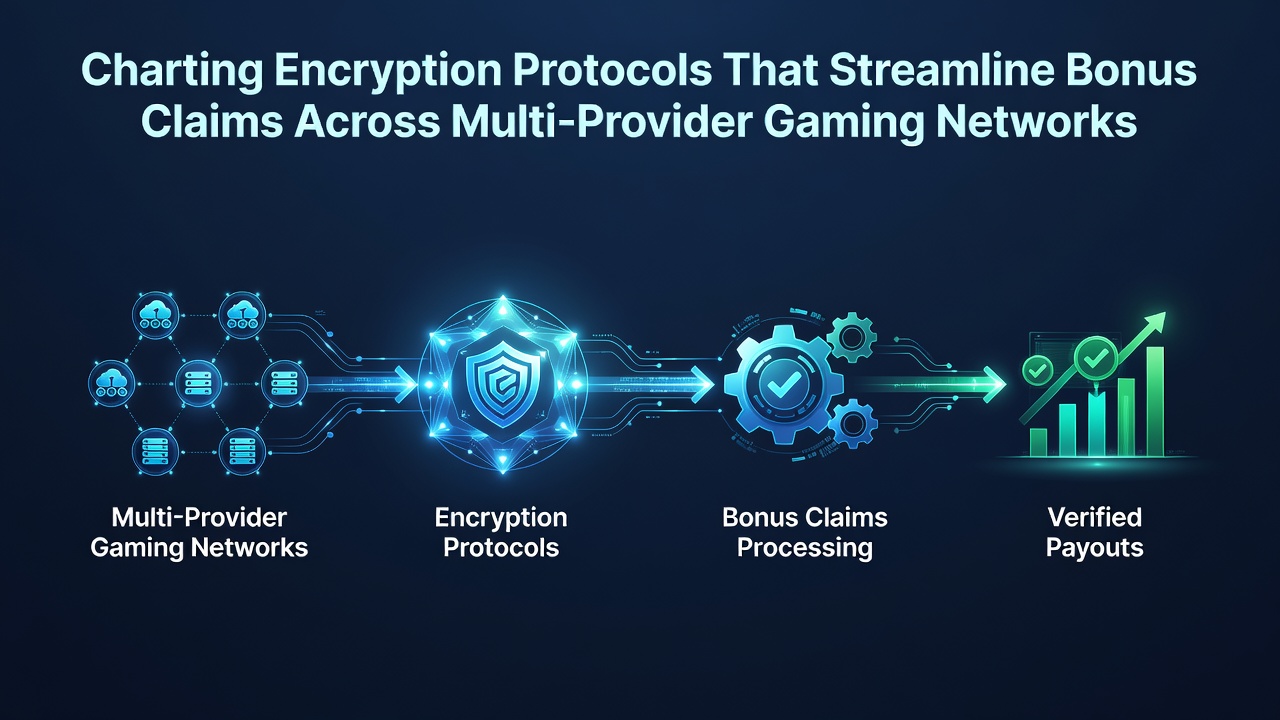
Charting Encryption Protocols That Streamline Bonus Claims Across Multi-Provider Gaming Networks
Encryption protocols now form the backbone of bonus claim systems that operate across separate gaming operators and their shared networks; developers integrate standards such as TLS 1.3 and AES-256 to move player reward data without exposing personal identifiers or transaction details during transit. These measures allow a single claim request to pass through several providers while each node verifies authenticity before forwarding the packet onward.
Core Standards in Use
Researchers at the National Institute of Standards and Technology document how AES-256-GCM combined with elliptic-curve Diffie-Hellman key exchange creates forward secrecy for session tokens; gaming networks adopted these building blocks after 2023 updates to federal guidelines. When a player initiates a bonus claim, the originating platform generates a short-lived token that subsequent operators decrypt only after mutual certificate validation completes.
Zero-knowledge proofs appear in newer deployments, letting one provider confirm that a player meets wagering thresholds without revealing the full transaction history; this approach reduces data exposure points while still satisfying audit requirements from multiple jurisdictions.
Cross-Network Workflow
A typical flow begins when a user selects a bonus inside one operator's app; the request travels through an encrypted channel to a central clearing node that holds no player funds yet maintains a ledger of claim states. Each participating provider then receives a signed payload, checks local eligibility rules, and returns an approval or denial within milliseconds. The process repeats across three or more networks before the final credit posts to the player's balance.
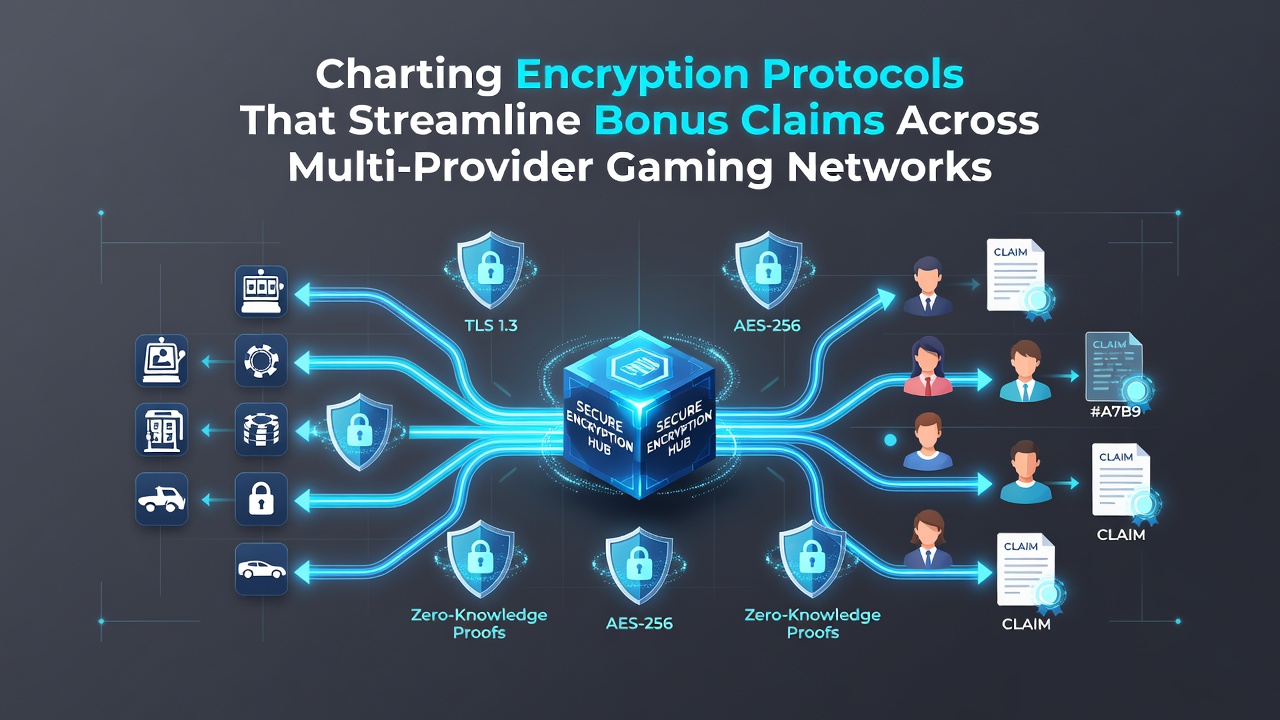
Data shows that average claim completion times dropped from 4.2 seconds in 2024 to 1.8 seconds by August 2026 once operators standardized on QUIC transport layered over TLS 1.3; the shift eliminated TCP handshake delays and allowed parallel validation across providers. Industry reports from the European Gaming and Betting Association note that packet loss during peak hours fell below 0.3 percent after these protocol upgrades.
Key Management and Audit Trails
Hardware security modules store root keys at each operator site, while session keys rotate every fifteen minutes; this rotation schedule prevents long-term compromise even if one endpoint is breached. Audit logs record only the hash of each claim rather than the underlying player data, satisfying regulators who require traceability without mandating full data retention across borders.
One documented implementation in Canadian provincial systems uses a permissioned ledger to timestamp approvals; each operator appends its cryptographic signature before the claim advances, creating an immutable chain that external auditors can verify without accessing live player accounts.
Integration Challenges and Solutions
Latency spikes occur when providers operate in different geographic regions because round-trip times increase; engineers counter this by deploying edge nodes that cache public keys and pre-validate certificates during off-peak hours. Compliance teams also map varying data-protection rules so that encrypted payloads include only the minimum fields required by each jurisdiction's statutes.
Testing performed by university research groups in 2025 confirmed that end-to-end encryption adds less than 12 milliseconds to claim processing when certificate pinning is active; the same studies measured a 40 percent reduction in fraud attempts after operators enforced mutual TLS across all network links.
Future Protocol Directions
Work continues on post-quantum algorithms such as Kyber and Dilithium; several multi-provider consortia began pilot programs in mid-2026 to test hybrid key exchanges that combine classical and quantum-resistant methods. These trials focus on maintaining backward compatibility while preparing for potential large-scale quantum computing threats.
Standards bodies continue to publish reference implementations that smaller operators can adopt without building custom cryptographic libraries from scratch; the resulting uniformity simplifies third-party audits and speeds regulatory approval for new network participants.
Conclusion
Encryption protocols that connect multiple gaming providers now handle millions of bonus claims daily through layered authentication, rapid key rotation, and minimal data exposure; continued refinement of these systems supports faster processing while meeting the distinct regulatory demands of separate markets.