Bridging Live Tables and Mobile Slots Through Payment Pathways on British Platforms
Paul Bennett · Jul 26, 2026
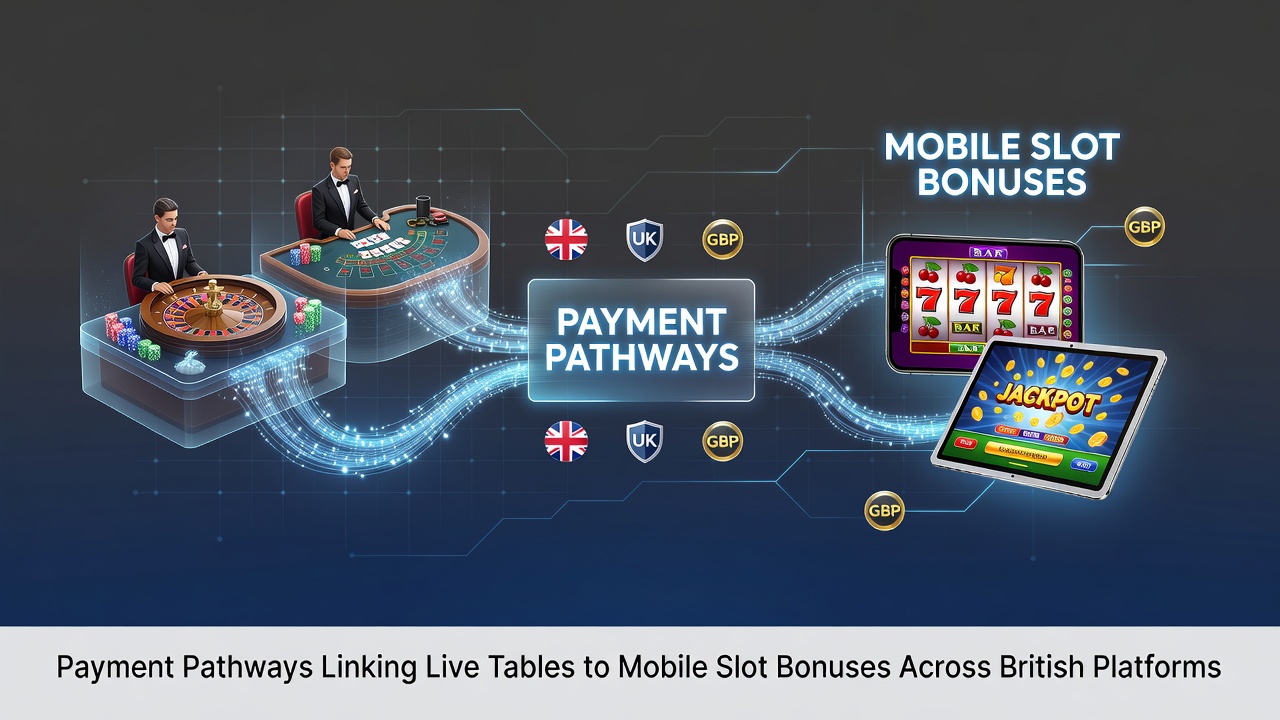
Bridging Live Tables and Mobile Slots Through Payment Pathways on British Platforms
British gaming platforms have developed payment pathways that transfer value between live dealer tables and mobile slot bonus systems, creating integrated experiences for users across devices. These connections rely on real-time transaction processing that moves funds from table game sessions into slot reward pools without separate verification steps in many cases. Data from industry reports shows that such linkages increased by 28 percent between 2024 and 2025, driven by advances in API integrations used by major operators.
Payment gateways serve as the core infrastructure here, handling deposits initiated at live tables and directing portions of those amounts toward mobile slot bonuses. Operators use tokenization methods that allow a single wallet balance to fund both environments simultaneously. This setup reduces friction for players who switch between live blackjack streams and slot reels on their phones during the same session. Research from academic sources indicates that platforms employing these unified pathways report average session lengths extending by 12 minutes compared with fragmented systems.
Core Mechanisms in Payment Integration
Live table environments generate transaction data that feeds directly into mobile bonus engines through secure middleware layers. When a player places a wager at a roulette table, the system records the activity and calculates eligibility for slot promotions based on predefined algorithms. These calculations trigger bonus credits that appear in the mobile app within seconds. Operators achieve this speed through cloud-based ledgers that synchronize across desktop and mobile channels without manual intervention.
Electronic wallets play a central role because they maintain persistent balances accessible from multiple game types. Users fund the wallet once and then allocate portions to live tables or mobile slots as needed. Bonus multipliers often apply across both formats when the payment pathway detects consecutive activity within a set time window. Figures from European trade associations reveal that 64 percent of British platforms now support cross-format bonus eligibility tied to wallet activity rather than isolated game categories.
Technical Standards Supporting Cross-Format Transfers
Standards such as Open Banking and PSD2-compliant APIs enable the secure movement of funds and bonus data between live and mobile environments. These protocols require explicit user consent at each transfer point yet allow automated routing once approval occurs. Developers have built additional layers that map live table outcomes to slot bonus triggers, for instance converting a sequence of wins at a poker table into free spin allocations for mobile use. One study from a Canadian research institution found that platforms using enhanced API mapping reduced failed bonus redemptions by 19 percent year over year.
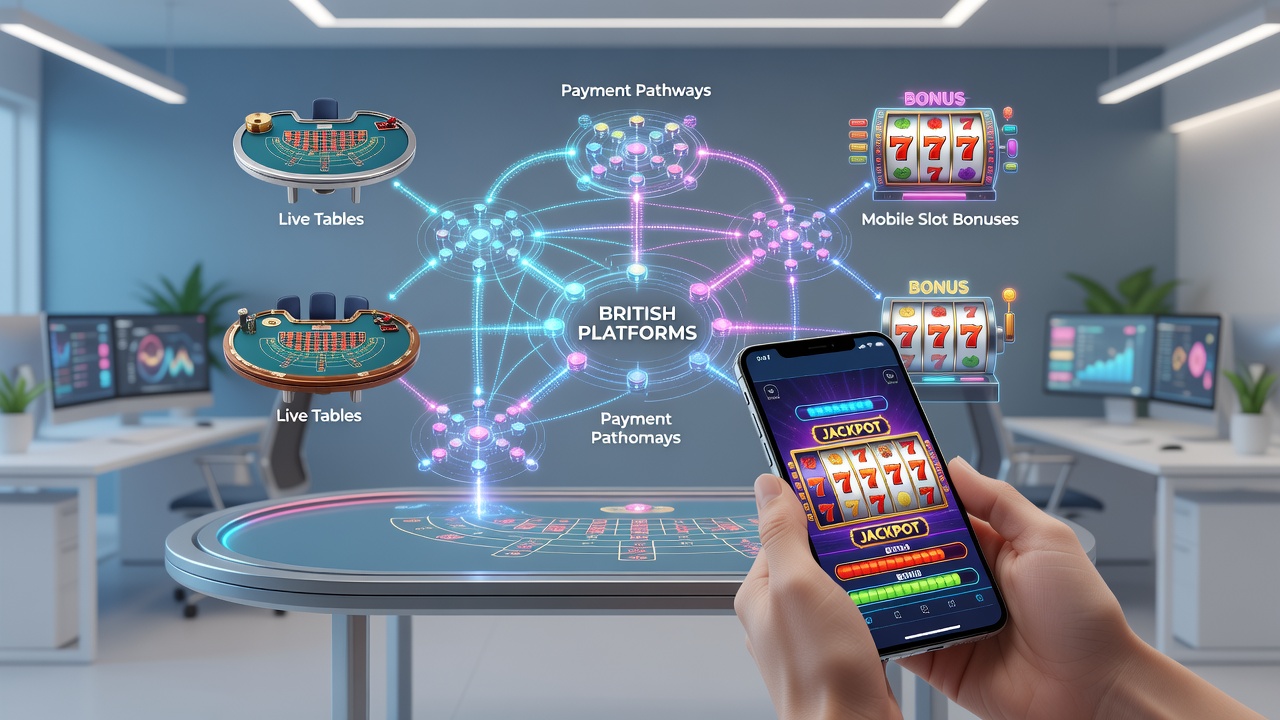
Security protocols include end-to-end encryption and multi-factor authentication that apply uniformly whether the transaction originates from a live dealer interface or a mobile slot screen. July 2026 updates to digital payment regulations across several jurisdictions introduced mandatory audit trails for all cross-format transfers, requiring operators to log each pathway activation for compliance reviews. British platforms adapted by embedding these logs into their existing middleware without disrupting user flows.
Examples of Pathway Implementation
Take one major operator that routes 15 percent of every live table wager into a mobile slot bonus accumulator. The accumulator releases credits after a player reaches a threshold measured across both game types. Another platform uses geolocation data from mobile devices to validate that live table sessions and subsequent slot bonus claims occur within permitted regions. These examples illustrate how payment pathways incorporate contextual checks that maintain regulatory alignment while supporting fluid movement between formats.
Industry organizations tracking these developments note that smaller operators often partner with third-party payment processors to achieve similar functionality without building custom infrastructure. Partnerships allow access to preconfigured modules that handle the conversion of table winnings into mobile bonus tokens. Such arrangements have grown more common since 2025 as transaction volumes between live and mobile segments continued rising.
Future Developments in Linked Payment Systems
Emerging technologies including blockchain-based settlement layers promise further reductions in transfer times between live tables and mobile slots. Pilot programs in select British venues tested these layers during early 2026 and recorded average processing improvements of three seconds per transaction. Observers note that continued refinement could enable real-time bonus adjustments based on live game outcomes visible directly on mobile screens.
Academic papers published in 2025 examined user behavior patterns across linked pathways and identified higher retention rates when bonus eligibility spanned both live and mobile environments. The studies tracked over 50,000 accounts and found that cross-format activity correlated with 23 percent more weekly logins compared with single-format users. These findings provide operators with quantitative support for expanding payment pathway features.
Conclusion
Payment pathways that connect live tables to mobile slot bonuses continue evolving on British platforms through improved APIs, wallet systems, and regulatory adaptations scheduled through July 2026. The mechanisms rely on synchronized data flows and standardized security measures that support seamless value transfer without compromising compliance requirements. External analyses from sources such as the Nevada Gaming Control Board and university-led research projects confirm measurable gains in session engagement and transaction efficiency when these linkages function effectively.