API Connections Enabling Instant Payments and Live Table Bonuses in Mobile Gaming Apps
Freya Meier · Jul 3, 2026
API Connections Enabling Instant Payments and Live Table Bonuses in Mobile Gaming Apps
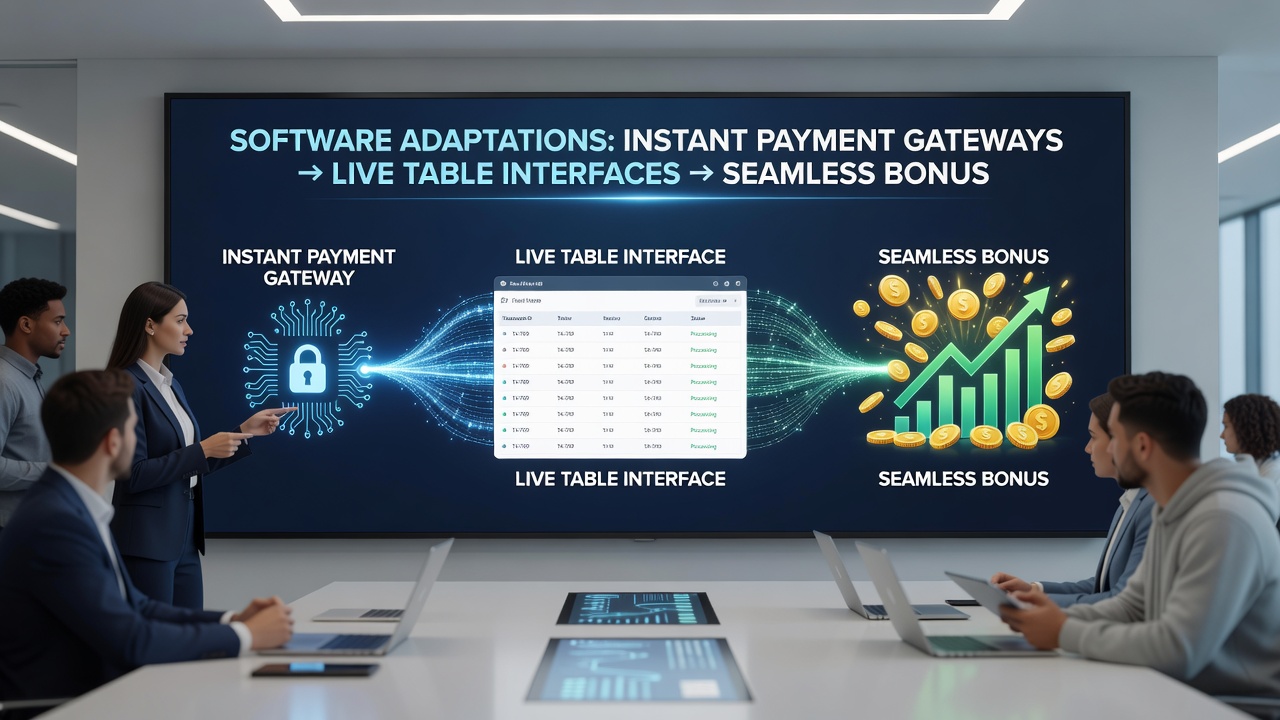
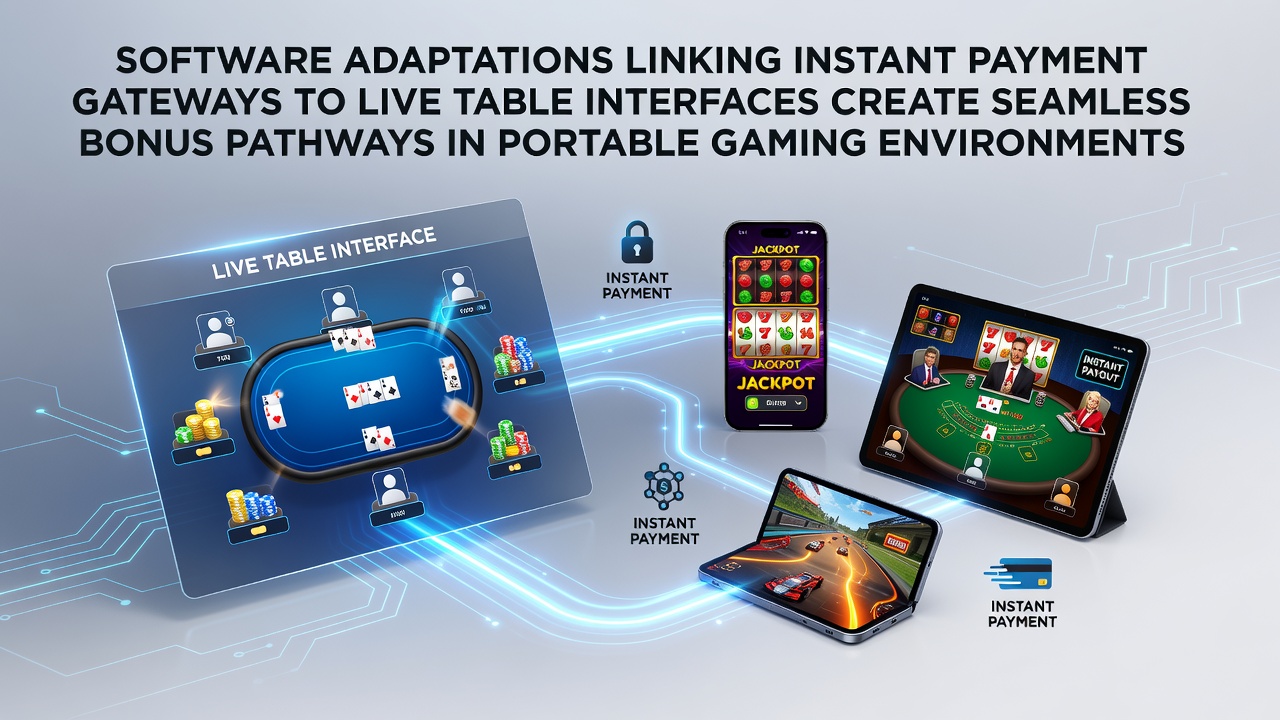
Software adaptations have evolved to connect instant payment gateways directly with live table interfaces, and these connections form pathways that deliver bonuses without interrupting mobile gameplay sessions. Developers achieve this through standardized APIs that handle transaction verification in milliseconds while live dealer streams continue uninterrupted on portable devices. The result appears in applications where deposits trigger immediate eligibility for table-specific promotions during active rounds. Engineers design these systems using secure tokenization protocols that pass encrypted data between payment processors and gaming servers, and this setup maintains compliance with regional licensing requirements across multiple jurisdictions. Observers note that such integrations reduce latency compared to earlier sequential processing models where players completed deposits separately from table access. Real-time synchronization allows bonus credits to appear in player balances while the live interface updates simultaneously with new bet options or side wagers.Core Technical Components Driving These Integrations
Payment gateway adaptations rely on webhook listeners that notify live table servers the moment a transaction clears, and this notification triggers predefined bonus logic without requiring additional player input. Live table interfaces incorporate modular plugins that receive these signals and adjust displayed multipliers or cashback offers accordingly. Portable environments benefit because mobile operating systems support background processes that keep both payment and streaming connections active even when users switch between apps briefly. Data encryption standards such as TLS 1.3 protect the flow of sensitive financial details, while separate authentication layers verify player identity before bonus pathways activate. Researchers at institutions studying digital transaction security have documented reduced error rates in systems that combine these layers, according to findings shared through industry technology conferences. Software teams test these connections extensively on various network conditions to ensure stability during peak usage periods.Mobile-Specific Adaptations and Performance Considerations
Portable gaming environments present unique constraints including variable bandwidth and device resource limitations, so developers optimize the linked systems to minimize data exchange during bonus activation. Compressed notification packets travel between the payment gateway and live table server, and this approach preserves battery life while maintaining synchronization. Users experience seamless progression from deposit confirmation to bonus application at the table without visible loading screens or session interruptions. Some platforms incorporate predictive caching that pre-loads bonus parameters based on recent transaction patterns, and this technique further accelerates the pathway once a payment processes. Industry reports from organizations monitoring global gaming technology indicate increasing adoption of edge computing nodes that handle these operations closer to end-user locations, which helps maintain consistent performance across regions.