Algorithmic Influences on Reward Timing in Hybrid Casino Applications
Vera Becker · Aug 14, 2026
Algorithmic Influences on Reward Timing in Hybrid Casino Applications
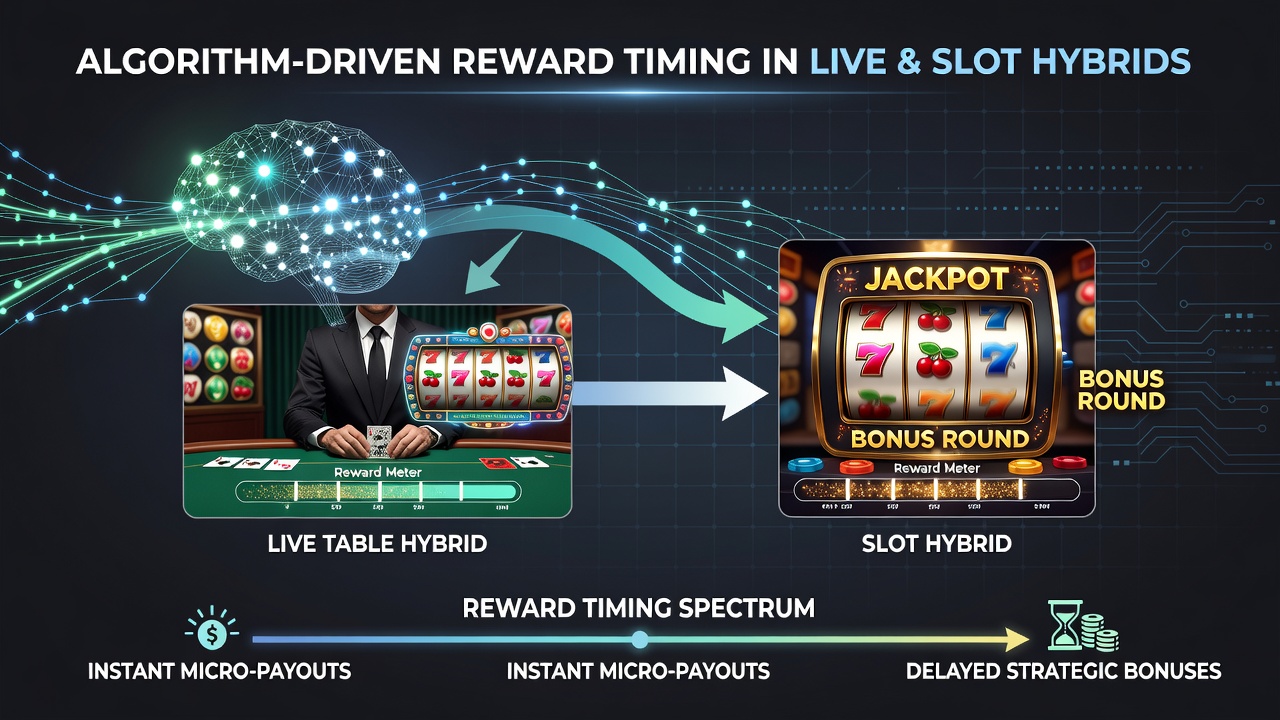
Provider algorithms determine reward timing across live table and slot hybrids in app ecosystems through data analysis, behavioral tracking, and real-time adjustments that balance player engagement with operational parameters, and these systems integrate elements from both live dealer interactions and automated slot mechanics to create unified experiences within single mobile platforms.
Core Mechanisms in Hybrid App Design
Algorithms process inputs from session duration, bet patterns, and device metrics to schedule reward triggers, while live table components feed continuous data streams that slot engines incorporate for synchronized bonus events, and this integration allows providers to maintain consistent return-to-player ratios across formats without manual intervention, according to industry technical documentation.
Real-time decision trees evaluate multiple variables simultaneously, adjusting payout intervals based on aggregated user cohorts rather than individual accounts alone, and such approaches draw from established random number generation protocols that comply with jurisdictional standards in regions like Nevada and parts of the European Union.
Data Integration Across Live and Automated Elements
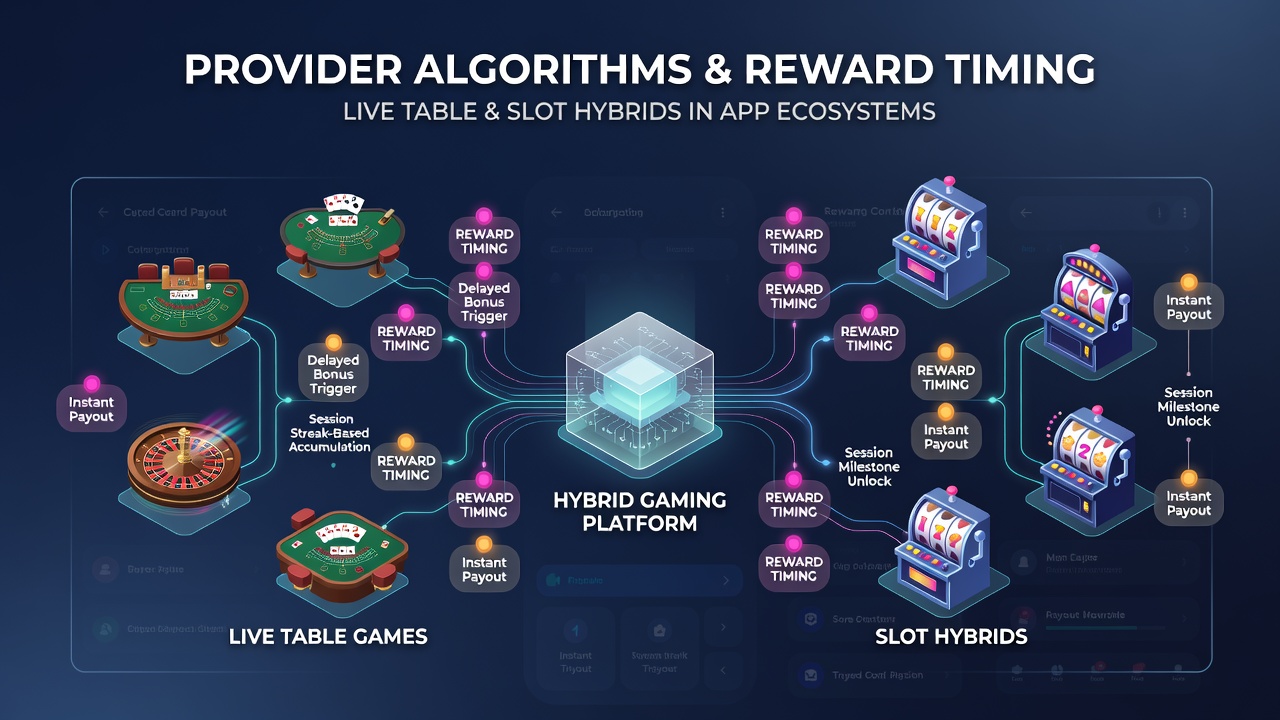
Live dealer feeds supply timing cues that algorithms cross-reference with slot reel outcomes to decide when hybrid rewards activate, creating sequences where table wins influence subsequent slot bonus availability within the same app session, and observers note that this linkage reduces perceived separation between game types while preserving independent fairness certifications for each module.
Studies from academic sources, including analyses published through university gaming research centers, indicate that these cross-format linkages rely on predictive modeling to forecast optimal reward windows, minimizing downtime between live interactions and automated spins, and data from international regulators outside the United Kingdom shows similar patterns in mobile deployment across multiple jurisdictions.
Regional Variations and Compliance Factors
Operators in North America and Australia implement these algorithms under frameworks from bodies such as the Nevada Gaming Control Board and the Australian Communications and Media Authority, which require transparent logging of reward timing logic to verify adherence to stake and payout limits, and August 2026 updates to certain state-level guidelines introduced additional reporting intervals for hybrid app performance metrics without altering core algorithmic structures.
European providers align similar systems with directives from the European Gaming and Betting Association, focusing on player protection thresholds that algorithms must respect when timing rewards across hybrid sessions, and this results in staggered bonus releases that account for both live table pacing and slot cycle speeds.
Technical Implementation Examples
One deployment case involves an app ecosystem where the algorithm detects a cluster of live table losses and responds by advancing slot reward eligibility by several spins, thereby maintaining session momentum through calculated interventions, and technical reviews from research institutions confirm that such adjustments occur within predefined variance bands to uphold certified randomness standards.
Another configuration uses session heat maps to predict high-engagement periods, then times hybrid rewards to coincide with peak live dealer table activity, and this method connects independent game engines through a central orchestration layer that processes inputs from both sources in unified cycles.
Future Considerations in Algorithm Development
Developments scheduled for late 2026 include refined machine learning layers that incorporate broader device telemetry and cross-app usage patterns, yet these enhancements must still route through existing compliance checkpoints established by multiple international authorities, and the result maintains separation between reward timing functions and direct financial processing modules.
Conclusion
Provider algorithms continue to refine reward timing mechanisms that link live table and slot components within app ecosystems, supported by data protocols and regulatory oversight from diverse global sources, and ongoing technical iterations focus on seamless integration while respecting established standards across regions.