Algorithmic Bridges Between Wallet Security and Live Table Bonus Systems on UK Mobile Platforms
Parker Weber · Jul 19, 2026
Algorithmic Bridges Between Wallet Security and Live Table Bonus Systems on UK Mobile Platforms
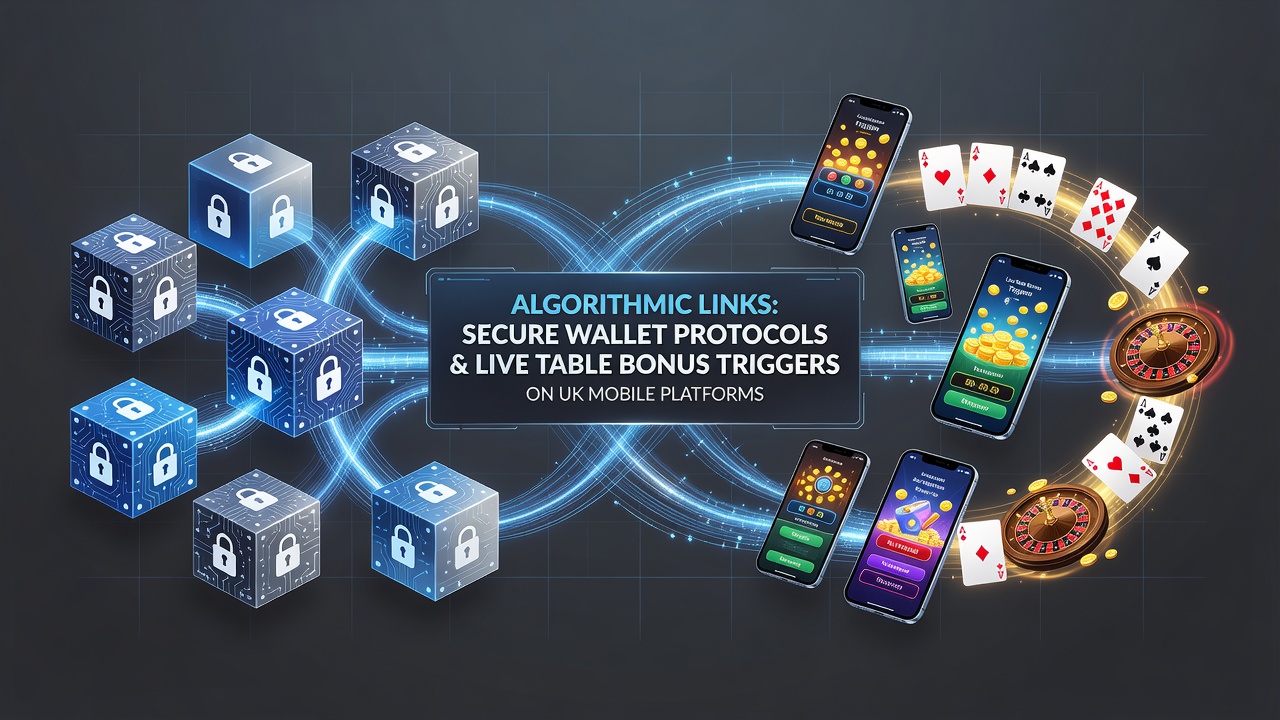
Developers have built intricate algorithmic connections that tie secure wallet protocols directly to live table bonus triggers on UK mobile platforms, and these links ensure both payment integrity and reward activation happen in coordinated sequences. Data from industry reports shows encryption layers in digital wallets communicate with game servers through API endpoints that verify transaction status before any bonus event fires during roulette or blackjack sessions. Those who study mobile gaming infrastructure note how real-time handshakes between payment ledgers and bonus engines prevent unauthorized triggers while maintaining seamless user flows across iOS and Android devices.
Core Wallet Protocols in Mobile Ecosystems
Secure wallet systems on UK mobile platforms rely on multi-factor authentication algorithms combined with tokenization methods that replace sensitive card details with unique identifiers, and this setup allows instant verification without exposing full financial data during live dealer interactions. Observers point out that protocols such as those based on PCI DSS standards integrate with mobile operating systems to handle deposits in milliseconds, creating the foundation for bonus eligibility checks that occur immediately after funds clear. Research from academic sources indicates token rotation cycles occur every few seconds in high-traffic environments, reducing exposure risks while feeding validated balance updates straight into live table management software.
Mechanics of Live Table Bonus Triggers
Live table bonus triggers activate through server-side scripts that monitor player actions like consecutive wins or specific bet patterns, and these scripts pull real-time data from connected wallet services to confirm sufficient balances before awarding multipliers or extra chips. Experts have observed that algorithms scan for qualifying conditions within 200 milliseconds of each hand conclusion, ensuring bonuses appear only when wallet protocols report cleared transactions. Figures from sector analyses reveal that UK mobile platforms process thousands of such triggers daily during peak evening hours, with most systems using rule-based engines augmented by machine learning models that adapt to emerging play patterns without manual intervention.
Algorithmic Intersections and Data Flows
Algorithmic intersections emerge when wallet verification modules feed hashed transaction IDs into bonus trigger logic, allowing the system to correlate a deposit event with an upcoming live table round while maintaining end-to-end encryption throughout the exchange. People familiar with these architectures explain that conditional statements within the code check multiple variables simultaneously, including wallet status, game session ID, and regulatory compliance flags, before releasing any reward. What's interesting is how these links reduce latency by batching verification calls, so a single query often handles both security confirmation and bonus eligibility in unified operations.
By July 2026 industry projections indicate further tightening of these algorithmic ties as platforms adopt updated security frameworks from international bodies, and developers continue refining synchronization methods to handle increased mobile traffic volumes.
Implementation Examples Across Platforms
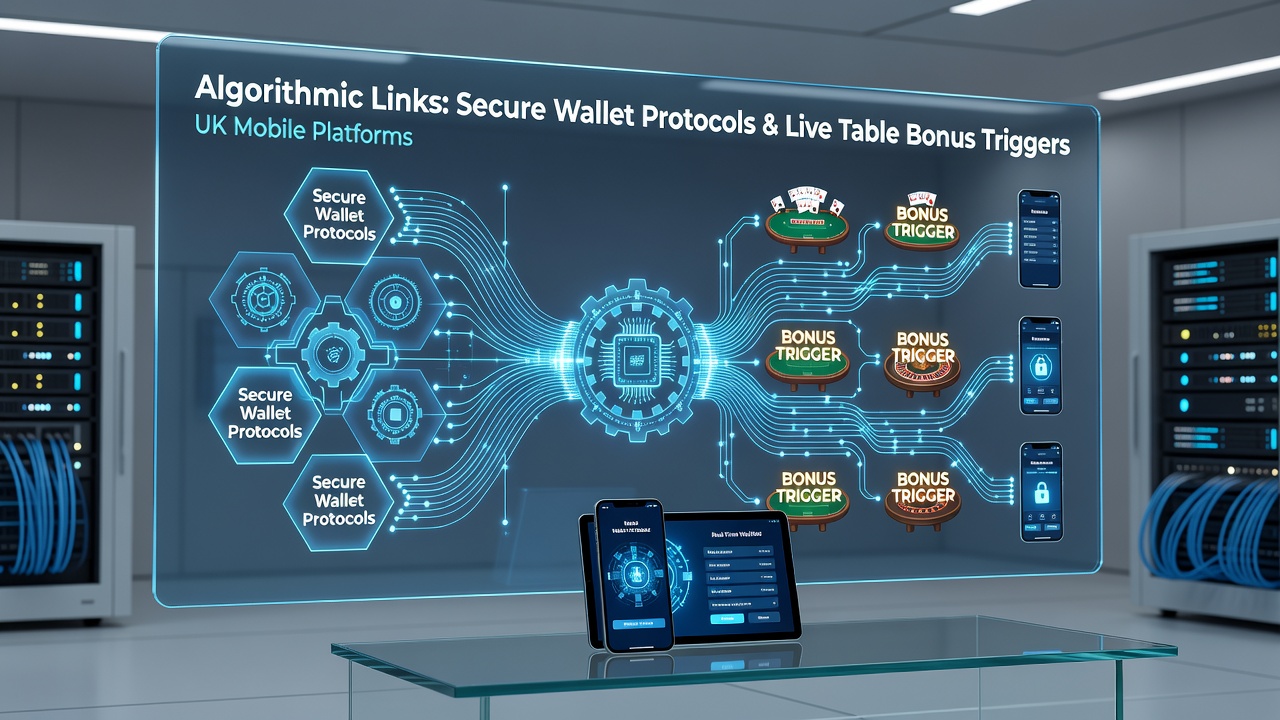
One documented implementation involves a mobile platform where wallet protocol callbacks trigger bonus scripts only after blockchain-inspired ledger entries confirm fund movement, and this approach has appeared in several UK-facing applications that support live dealer tables. Another case shows integration with external payment processors that use predictive algorithms to pre-authorize bonus pools based on historical wallet activity, cutting down on post-deposit delays during blackjack sessions. Data shows such systems maintain audit trails that log every algorithmic decision, providing traceability for compliance reviews without slowing down real-time gameplay.
Security Considerations in Linked Systems
Security considerations arise because any weakness in wallet protocols could theoretically influence bonus trigger reliability, yet current designs incorporate isolated modules that limit cross-contamination between payment and gaming logic. Researchers discovered through simulation tests that separating encryption keys for wallet data from bonus decision trees adds an extra barrier against coordinated attacks, and this separation has become standard in newer mobile deployments. Those who've examined production environments note regular penetration testing focuses specifically on the API bridges between these components to maintain system integrity.
Future Developments and Standards
Future developments point toward greater adoption of quantum-resistant encryption in wallet protocols, which would extend protection to the bonus trigger pathways that depend on them, while maintaining compatibility with existing UK mobile infrastructure. Reports from organizations such as the European Gaming and Betting Association highlight ongoing work on interoperability standards that could streamline these algorithmic connections across borders. A separate analysis published by Canadian research institutions suggests similar patterns emerging in other regulated markets, underscoring the global nature of these technical evolutions.
Conclusion
The algorithmic links between secure wallet protocols and live table bonus triggers continue to evolve on UK mobile platforms as developers refine data exchange methods and verification sequences. Evidence from multiple sources demonstrates these connections support both operational efficiency and security requirements without compromising player experiences during live dealer sessions. Continued monitoring of implementation practices will reveal how these systems adapt to new technical standards over the coming years.