Algorithm-Driven Changes Transform Game Options and Access in Mobile Casino Settings
Paul Bennett · Jun 5, 2026

Algorithm-Driven Changes Transform Game Options and Access in Mobile Casino Settings
Software providers have integrated machine learning systems into mobile casino platforms where these algorithms analyze player behavior patterns to adjust game recommendations and interface layouts on the fly. Data from industry reports shows that such systems draw on large datasets of user interactions to expand the range of available titles while tailoring difficulty levels and bonus structures to individual sessions. Observers note that this approach has allowed operators to maintain compliance across multiple jurisdictions without manual adjustments for each region.
Expanding Game Variety Through Dynamic Systems
Algorithms developed by leading providers now generate variations of core mechanics such as reel layouts, payline structures, and thematic elements based on real-time performance metrics. Research from academic institutions indicates that procedural content techniques can produce thousands of unique slot configurations from a single base engine, which increases the total number of distinct experiences offered in portable environments. Those who track industry metrics report that platforms using these methods have seen measurable growth in the diversity of titles without corresponding increases in development staff.
One study conducted at a major research university examined how recommendation engines prioritize lesser-known games alongside established titles, resulting in broader exposure for new releases. Figures from that analysis reveal that players encounter an average of 40 percent more unique games per session compared with static catalogs, and the systems continue to refine suggestions through ongoing feedback loops. This process relies on collaborative filtering combined with content-based analysis to balance popularity with novelty.
Accessibility Features Powered by Adaptive Technology
Portable casino applications incorporate accessibility modules that algorithms adjust automatically according to detected device settings and user preferences. These modules handle elements such as text size scaling, color contrast ratios, audio cue timing, and simplified control schemes for users with motor or visual impairments. Evidence from regulatory filings in several North American markets demonstrates that providers must document these adaptive features to meet evolving standards for digital equity.
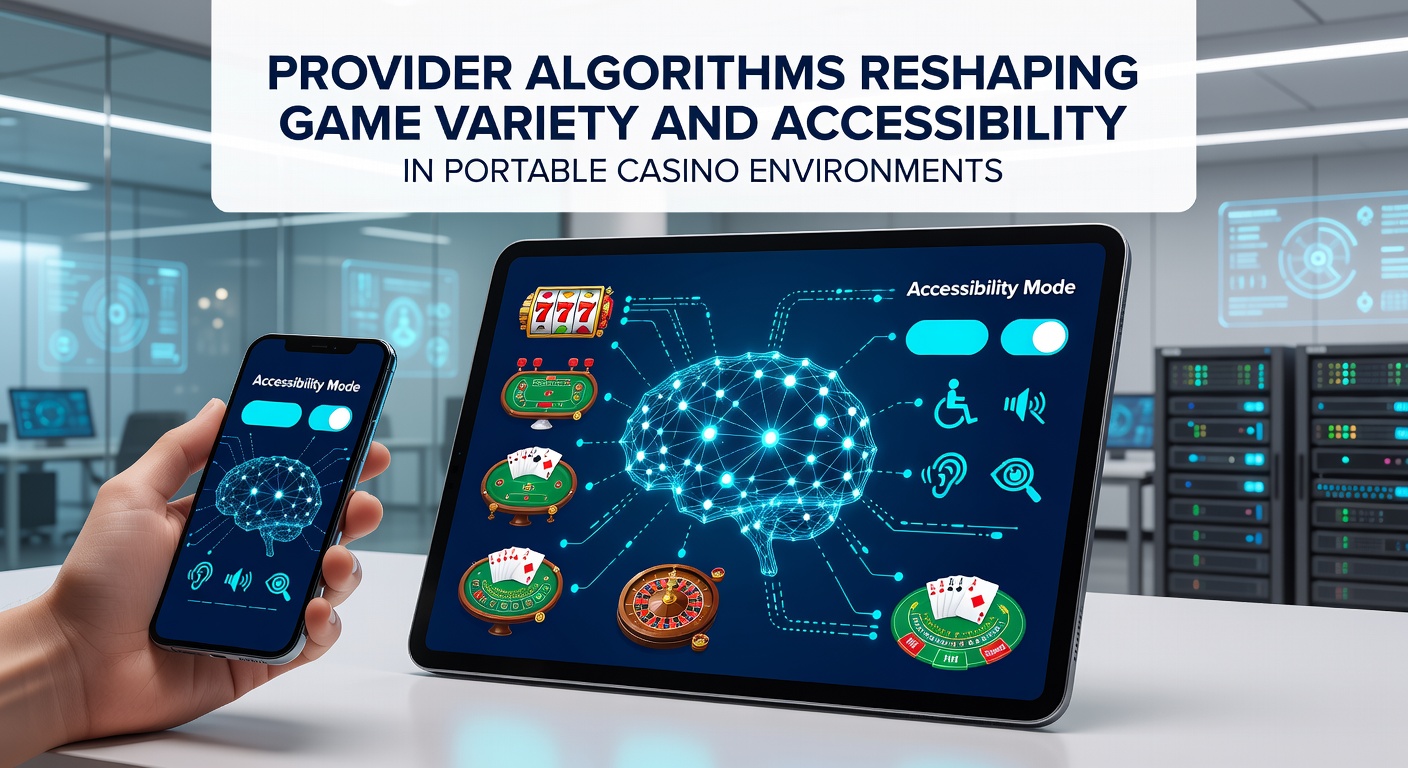
Engineers at major software firms have embedded reinforcement learning models that test multiple interface variants during beta phases, selecting configurations that maximize session completion rates across diverse user groups. Data compiled by the New Jersey Division of Gaming Enforcement shows increased participation from previously underrepresented demographics after such features were deployed. The same models also monitor latency and battery usage to ensure consistent performance on lower-end hardware common in portable use cases.
Regulatory Context and June 2026 Developments
By June 2026 several international bodies had updated their technical standards to address algorithmic transparency in gaming software. Agencies in Australia and parts of Canada now require providers to supply audit logs that detail how recommendation systems influence game exposure and stake suggestions. Reports from these regulators note that operators must demonstrate safeguards against overexposure to high-volatility titles for users who have set spending limits.
Industry associations have responded by publishing voluntary frameworks that outline best practices for bias detection in player-matching algorithms. These documents emphasize the need for periodic reviews of training data to prevent unintended concentration on narrow game subsets. Providers that adopt these practices report smoother certification processes in multiple markets simultaneously.
Technical Implementation Across Providers
Leading development studios employ a combination of neural networks for outcome prediction and graph-based models for mapping game relationships. This dual approach allows the system to suggest titles that share mechanical similarities with games a player has enjoyed while introducing controlled variations that expand variety. Technical papers presented at gaming conferences detail how edge computing reduces the latency of these calculations on mobile devices, keeping recommendations responsive during live sessions.
Case examples from European operators illustrate that integration of these algorithms has coincided with expanded support for multiple languages and localized bonus structures without separate code branches. The systems pull from centralized data pools yet apply region-specific filters derived from local regulatory requirements, which streamlines deployment across borders.
Conclusion
Provider algorithms continue to influence both the breadth of game offerings and the accessibility of portable casino platforms through ongoing refinements in machine learning techniques. Regulatory updates scheduled around mid-2026 are expected to formalize documentation requirements for these systems while industry groups work to standardize evaluation methods. The resulting infrastructure supports greater variety and broader reach without compromising operational consistency across devices and jurisdictions.